
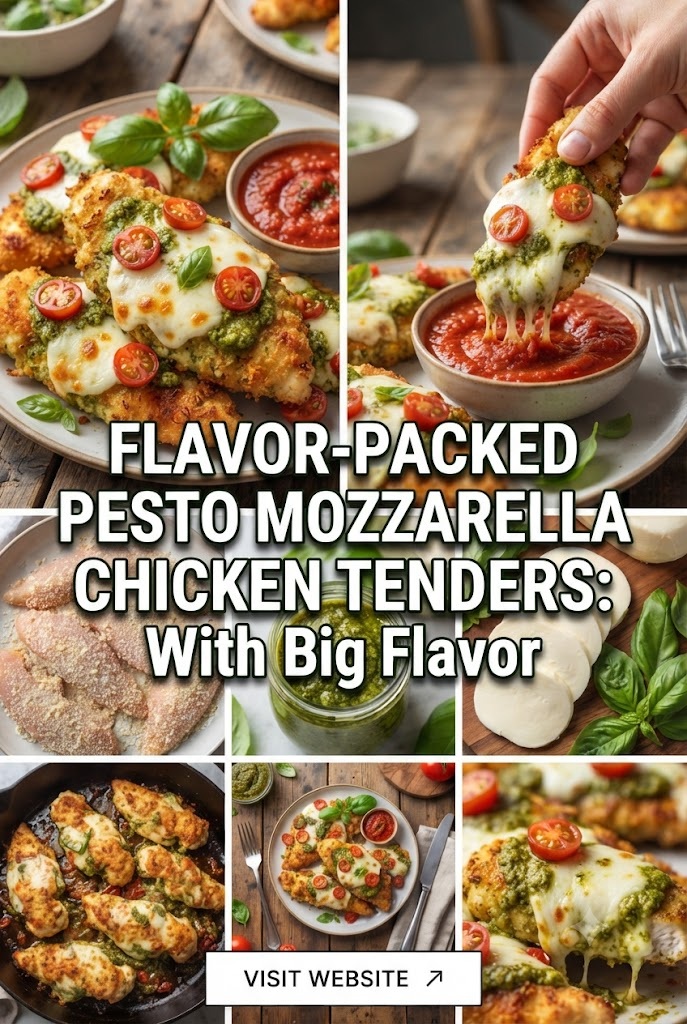
When you think of comfort food, chicken tenders often lead the charge. They are the nostalgic staple of childhood, the reliable bar food favorite, and the quick weeknight dinner solution. But what happens when you take this humble classic and infuse it with the sophisticated, vibrant flavors of the Italian Riviera? You get Flavor-Packed Pesto Mozzarella Chicken Tenders.
This dish isn’t just a meal; it’s a sensory experience. Imagine the crunch of golden-brown breading giving way to succulent, juicy chicken, followed by a burst of aromatic basil pesto and the luxurious, stretchy pull of melted mozzarella cheese. This is a recipe that bridges the gap between family-friendly convenience and restaurant-quality elegance. In this comprehensive guide, we will dive deep into every element of this dish, from the science of the perfect breading to the history of its ingredients, ensuring you can recreate this masterpiece in your own kitchen.
The Anatomy of a Perfect Chicken Tender
To understand why pesto and mozzarella work so well with chicken tenders, we first have to look at the “tender” itself. In culinary terms, the chicken tenderloin is a specific strip of muscle located on the underside of the chicken breast. It is known for being significantly more tender than the breast meat because it is a muscle that the bird rarely uses.
Why the Tenderloin Matters
When making these pesto mozzarella delights, using actual tenderloins—rather than sliced chicken breast—makes a world of difference. The fibers are finer, the moisture retention is higher, and the shape is naturally suited for “stuffing” or “layering.” If you are aiming for that melt-in-your-mouth texture that contrasts beautifully with a crispy exterior, the tenderloin is your best friend.
The Prep Work: Brining and Seasoning
Even before the pesto and cheese enter the picture, the chicken needs a foundation of flavor. Many home cooks skip the seasoning of the meat itself, relying solely on the breading. This is a mistake. A light dry brine of salt and pepper for 30 minutes before cooking allows the salt to penetrate the protein strands, ensuring every bite is seasoned to the core.
The Green Gold: The Magic of Pesto
Pesto is more than just a sauce; it is a concentrated burst of Mediterranean sunshine. Originating in Genoa, Italy (Pesto alla Genovese), the traditional recipe consists of crushed garlic, European pine nuts, coarse salt, basil leaves, and hard cheese such as Parmigiano-Reggiano or Pecorino Sarda, all blended with high-quality olive oil.
Why Pesto Pairs with Chicken
Chicken is a relatively neutral protein, making it the perfect canvas for bold flavors. The acidity of the lemon juice (often found in modern pestos), the earthy richness of the nuts, and the punch of garlic cut through the richness of the chicken and cheese.
Homemade vs. Store-Bought
While high-quality refrigerated store-bought pesto is a great time-saver, nothing beats homemade. When you make your own, you control the texture. For these chicken tenders, a thicker, “chunky” pesto is actually preferable. It stays in place better during the cooking process and provides a more rustic, artisanal feel to the dish.
A Quick Pro-Tip for Vibrant Green Pesto:
To prevent your pesto from turning brown due to oxidation, blanch your basil leaves in boiling water for 5 seconds and then immediately shock them in ice water. Squeeze out the excess moisture before blending. This locks in that neon-green color that makes the dish look as good as it tastes.
The Melt Factor: Choosing the Right Mozzarella
Mozzarella is the “glue” of this recipe. It provides the creamy, mild counterpoint to the herbaceous pesto. However, not all mozzarella is created equal, and choosing the wrong type can result in a soggy mess or a rubbery finish.
Low-Moisture vs. Fresh Mozzarella
- Low-Moisture Mozzarella: This is the ideal choice for breaded chicken. Because it has less water content, it melts smoothly without releasing excess liquid that could ruin the crispiness of your breading. It also has a fantastic “cheese pull” factor.
- Fresh Mozzarella (Fior di Latte): While delicious and milky, fresh mozzarella contains a high percentage of water. If you choose to use this, you must slice it and let it drain on paper towels for at least 30 minutes before incorporating it into the chicken.
- Smoked Mozzarella: For a twist, try using smoked mozzarella (Scamorza). It adds a layer of depth and woodsy flavor that complements the roasted notes of the breading.
The Secret to the Ultimate Crispy Coating
The hallmark of a great chicken tender is the crunch. To achieve this, we look to a combination of techniques and ingredients that ensure the coating stays attached to the meat and stays crispy long after it leaves the heat.
The Power of Panko
Traditional Italian breadcrumbs are fine and sandy, which is great for some dishes. However, for a truly “big flavor” tender, Panko breadcrumbs are superior. Panko is a Japanese-style breadcrumb made from crustless bread. The flakes are larger and more jagged, providing a massive amount of surface area that crisps up beautifully.
The Flavorful Flour Base
The first step in the breading process is the flour dredge. Instead of using plain all-purpose flour, season it heavily. Add onion powder, garlic powder, dried oregano, and a touch of cayenne pepper. This ensures that even the innermost layer of the coating is packed with flavor.
The Parmesan Element
Integrating finely grated Parmigiano-Reggiano into the breadcrumb mixture is a game-changer. As the chicken cooks, the cheese in the breading toasts and caramelizes, creating a “frico” effect—a lacy, savory crust that adds an extra dimension of saltiness and crunch.
Mastering the Technique: Two Ways to Incorporate Flavor
There are two primary ways to assemble your Pesto Mozzarella Chicken Tenders, depending on your preference for presentation and texture.
Method 1: The “Stuffed” Pocket
This method involves using a small, sharp knife to cut a slit along the side of the chicken tender to create a pocket.
- Carefully pipe a small amount of thick pesto into the pocket.
- Tuck a thin sliver of low-moisture mozzarella inside.
- Press the chicken closed and proceed with the dredging and breading. The Benefit: The flavor is a surprise inside, and the cheese is protected from leaking out.
Method 2: The “Hassleback” or Layered Style
This is the more visually stunning “big flavor” approach.
- Dredge and bread the chicken tenders as normal and cook them until they are 80% done.
- Remove them from the oven/pan, and smear a generous tablespoon of pesto over the top of each tender.
- Place a thick slice of mozzarella over the pesto.
- Return to the oven or broiler until the cheese is bubbling and slightly browned. The Benefit: You get a direct hit of pesto flavor, and the cheese browns beautifully on top.
Cooking Methods: Oven, Air Fryer, or Skillet?
Every kitchen is different, and how you cook your chicken depends on your health goals and equipment.
The Oven-Baked Approach (Reliable and Healthy)
Baking is the best way to cook a large batch at once. To ensure they don’t get soggy on the bottom, place a wire cooling rack on top of a baking sheet. This allows hot air to circulate under the chicken, crisping it from all sides.
- Temperature: 400°F (200°C)
- Time: 15–18 minutes
The Air Fryer (The Gold Standard for Crunch)
The air fryer is essentially a high-powered convection oven. It produces the crispiest results with the least amount of oil.
- Temperature: 375°F (190°C)
- Time: 10–12 minutes, flipping halfway through.
- Tip: Don’t overcrowd the basket. Air needs to move freely to create that “fried” texture.
The Skillet Fry (The Traditionalist’s Choice)
Frying in a shallow layer of olive oil and butter provides the richest flavor. The butter solids brown (beurre noisette), adding a nutty aroma that pairs perfectly with the pine nuts in the pesto.
- Temperature: Medium-high heat.
- Time: 4–5 minutes per side.
Homemade Basil Pesto: The Step-by-Step Recipe
If you want to truly elevate this dish, you must make the pesto from scratch. Here is a foolproof recipe designed for maximum flavor retention.
Ingredients:
- 2 cups fresh basil leaves (packed)
- 1/2 cup freshly grated Parmigiano-Reggiano
- 1/3 cup toasted pine nuts (you can substitute walnuts or cashews for a different flavor profile)
- 3 cloves of garlic, minced
- 1/2 cup extra virgin olive oil (high quality is key)
- 1 tablespoon lemon juice
- 1/2 teaspoon sea salt
- 1/4 teaspoon black pepper
Instructions:
- Toast the Nuts: In a dry skillet over medium heat, toast the pine nuts until they are golden and fragrant. This releases the oils and intensifies the flavor.
- Pulse the Aromatics: In a food processor, combine the toasted nuts, garlic, salt, and pepper. Pulse until they form a coarse paste.
- Add the Greens: Add the basil leaves and lemon juice. Pulse again until the basil is finely chopped but not a total puree.
- Emulsify: With the processor running on low, slowly drizzle in the olive oil. This creates a stable emulsion.
- Finish with Cheese: Stir in the grated cheese by hand at the end. This keeps the texture of the cheese intact and prevents the pesto from becoming too oily.
Elevating the Sides: What to Serve with Pesto Chicken
To make this a complete “big flavor” meal, you need side dishes that complement the Italian-inspired profile of the chicken.
1. Lemon Zest Linguine
The acidity of lemon is the perfect palate cleanser for the rich mozzarella and pesto. Toss cooked linguine with olive oil, fresh lemon juice, lemon zest, red pepper flakes, and a splash of pasta water.
2. Roasted Balsamic Brussels Sprouts
The sweetness of a balsamic glaze balances the savory, salty notes of the chicken. Roast the sprouts until the outer leaves are charred and crispy.
3. Caprese Salad Remix
Instead of a standard salad, serve the chicken alongside thick slices of heirloom tomatoes drizzled with a balsamic reduction and topped with fresh micro-greens.
4. Garlic Butter Zucchini Noodles
For a low-carb option, “zoodles” sautéed briefly in garlic butter and topped with a dusting of parmesan provide a light, refreshing base for the heavy-hitting tenders.
The Science of Flavor: Why This Recipe Works
Culinary success isn’t just about following a recipe; it’s about understanding why certain ingredients harmonize.
- The Umami Bomb: Both pesto (via the cheese and nuts) and chicken are rich in glutamate, the compound responsible for “umami” or savory deliciousness. When combined, they create a flavor profile that is deeply satisfying to the brain.
- Acidity and Fat: The mozzarella provides fat, which carries flavor. However, fat can feel heavy on the tongue. The lemon juice in the pesto and the acidity in the chicken seasoning act as “brightness,” cutting through the fat and refreshing the taste buds.
- Textural Contrast: The human brain is wired to enjoy contrasting textures. The “Crunch-Juice-Cream” trifecta (Crispy Panko – Juicy Chicken – Creamy Mozzarella) hits all the right neurological buttons for a pleasurable eating experience.
Tips for Success and Common Pitfalls
Even the best cooks can run into trouble. Here’s how to avoid common mistakes:
Avoid the “Soggy Bottom”
If you are baking your tenders, never place them directly on a flat baking sheet. The side touching the metal will steam in its own moisture. Always use a rack.
Don’t Overcook the Chicken
Chicken tenderloins are small and cook very quickly. Overcooking results in a dry, stringy texture. Use a meat thermometer to pull the chicken out when it hits an internal temperature of 160°F (71°C). The “carry-over cooking” will bring it to the safe 165°F (74°C) as it rests.
Keep the Pesto Thick
If your pesto is too runny (too much oil), it will leak out of the breading and cause the coating to slide off. If your pesto seems too thin, add an extra tablespoon of grated parmesan or ground nuts to thicken it up.
Variations for Every Diet
This recipe is incredibly versatile and can be adapted to fit various dietary needs without sacrificing that “big flavor.”
The Keto/Low-Carb Version
Replace the flour and Panko with a mixture of almond flour and crushed pork rinds. This creates a remarkably crispy crust that is almost indistinguishable from traditional breading. Use a sugar-free pesto and you have a high-protein, high-fat meal that fits perfectly into a ketogenic lifestyle.
The Gluten-Free Version
Simply swap the all-purpose flour for a 1-to-1 gluten-free flour blend and use gluten-free Panko or certified gluten-free breadcrumbs. Because the chicken is the star, the lack of gluten doesn’t negatively impact the structure of the dish.
The “Kid-Friendly” Spin
If you have picky eaters who are wary of “green stuff,” you can blend a small amount of pesto into a honey-mustard dipping sauce instead of putting it inside the chicken. This provides a milder introduction to the flavor of basil.
Meal Prep and Storage: How to Enjoy Later
Can you make these ahead of time? Absolutely. In fact, they are a meal prepper’s dream.
Freezing for Future Meals
You can bread the chicken tenders and freeze them before cooking. Place the breaded, uncooked tenders on a tray in the freezer for two hours until firm, then transfer them to a freezer bag. They can be cooked directly from frozen in the air fryer or oven—just add 5–7 minutes to the cooking time.
Reheating for Maximum Crunch
Never use the microwave to reheat breaded chicken. It will turn the breading into a soggy sponge. Instead, use a toaster oven or an air fryer at 350°F (175°C) for about 5 minutes. This reactivates the fats in the breading, making it crispy again.
The Cultural Journey of the Chicken Tender
While we focus on the Italian flavors of pesto and mozzarella, the chicken tender itself is a uniquely American invention. Historically, “chicken fingers” were popularized in the late 1970s in Manchester, New Hampshire, at a restaurant called the Puritan Backroom.
By taking this American icon and marrying it with the centuries-old tradition of Italian Cotoletta (breaded cutlets) and the vibrancy of Genovese pesto, we are participating in a long history of culinary fusion. This dish represents the evolution of home cooking—taking what is convenient and making it extraordinary.
Why This Recipe Deserves a Spot in Your Rotation
In a world of complex 20-ingredient recipes, the Pesto Mozzarella Chicken Tender stands out because of its efficiency. It uses high-impact ingredients to achieve maximum results. It is sophisticated enough for a Saturday night dinner party with a bottle of crisp Sauvignon Blanc, yet simple enough to be prepared on a chaotic Tuesday evening.
It hits every note:
- Salty (Parmesan and salt)
- Savory (Chicken and garlic)
- Herbal (Fresh basil)
- Creamy (Mozzarella)
- Crunchy (Panko)
When you pull these golden-brown beauties out of the oven and see the mozzarella just starting to ooze out, you know you’re in for something special. It’s a testament to the fact that with a few high-quality ingredients and the right technique, you can transform the everyday into the exceptional.
Frequently Asked Questions (FAQ)
Can I use chicken breast instead of tenders?
Yes. Simply slice large chicken breasts into 1-inch thick strips. They may require a slightly longer cooking time than actual tenderloins.
What is the best dipping sauce for these?
While they are flavorful enough to eat plain, they pair beautifully with a high-quality marinara sauce (for a “Chicken Parm” vibe) or a balsamic glaze. A creamy garlic aioli is also a fantastic choice.
How do I stop the cheese from leaking out?
If you are stuffing the tenders, ensure you don’t overfill them. Use a “dry” mozzarella (low-moisture) and make sure your breading is thorough, acting as a seal. If you are layering the cheese on top, wait until the chicken is almost cooked before adding it.
My breading is falling off. What happened?
This usually happens if the chicken was too wet before dredging. Pat the chicken completely dry with paper towels before putting it in the flour. Also, ensure you use the “standard breading procedure”: Flour -> Egg Wash -> Breadcrumbs. The flour provides the “grip” for the egg, and the egg provides the “glue” for the crumbs.
Is pesto healthy?
Pesto is nutrient-dense. Basil is rich in antioxidants, and olive oil provides healthy monounsaturated fats. While it is calorie-dense due to the nuts and oil, a little goes a long way in providing flavor.
Final Thoughts: The Joy of Gourmet Home Cooking
Cooking should be an adventure, even on a weeknight. These Pesto Mozzarella Chicken Tenders remind us that we don’t need to choose between “quick” and “delicious.” By embracing the bold flavors of the Mediterranean and the satisfying crunch of a well-made tender, you are creating a meal that nourishes both the body and the soul.
Next time you’re at the grocery store, skip the frozen aisle and head straight for the fresh basil and the deli counter. Your kitchen is about to become the best Italian bistro in town. The “big flavor” you’ve been looking for is just a few steps away—crispy, cheesy, and vibrantly green. Enjoy the process, and more importantly, enjoy every single bite.