
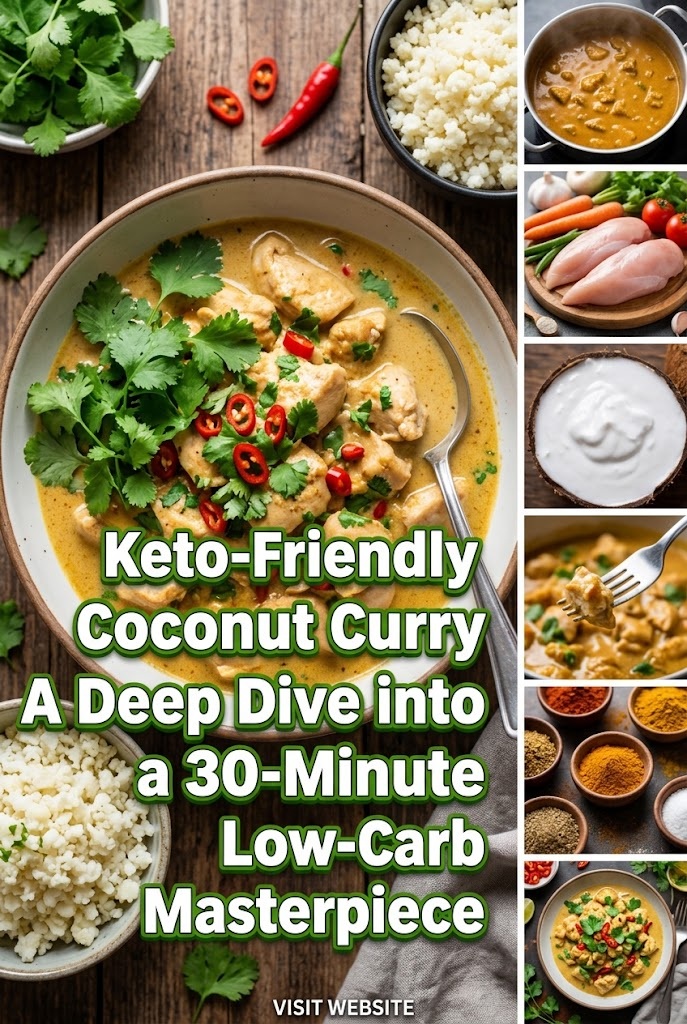
In the fast-paced world of modern living, the “busy night” is more of a rule than an exception. For those committed to a ketogenic lifestyle, these nights often present a significant challenge. When the clock is ticking and energy is low, the temptation to reach for a high-carb convenience meal or order takeout can be overwhelming. However, what if you could create a restaurant-quality, soul-warming, and nutrient-dense meal in less time than it takes for a delivery driver to arrive?
Enter the Keto-Friendly Coconut Curry Chicken. This dish is not just a recipe; it is a strategic tool for your low-carb arsenal. It perfectly balances the high-fat requirements of the ketogenic diet with the vibrant, anti-inflammatory spices of Southeast Asian and Indian cuisines. In this comprehensive guide, we will explore every facet of this dish—from the science of its ingredients to the nuances of spice blending—ensuring you can whip up a masterpiece even on your most exhausted Tuesday night.
Why Coconut Curry is the King of Keto Dinners
The ketogenic diet relies on a metabolic state called ketosis, where the body burns fat for fuel instead of glucose. To maintain this state, one must consume high amounts of healthy fats, moderate protein, and very few carbohydrates.
Coconut curry chicken fits this profile perfectly for several reasons:
- High Healthy Fat Content: Full-fat coconut milk is rich in Medium-Chain Triglycerides (MCTs). Unlike other fats, MCTs are sent directly to the liver, where they are immediately converted into energy or ketones.
- Anti-Inflammatory Properties: Spices like turmeric, ginger, and garlic are staples in curry. They help combat the systemic inflammation that many people transition to keto to solve.
- Low Glycemic Index: By replacing traditional curry thickeners (like flour or starchy potatoes) with fiber-rich vegetables and reduction techniques, the dish keeps insulin levels stable.
- Satiety: The combination of protein from the chicken and the richness of the coconut fat ensures you stay full for hours, preventing late-night snacking.
The Anatomy of an Authentic Keto Curry
Before we dive into the step-by-step instructions, it is vital to understand the components that make a curry successful. A great curry is a symphony of flavors: salty, sour, sweet (keto-style), and spicy.
The Protein: Chicken Thighs vs. Chicken Breasts
While many people reach for chicken breasts out of habit, the ketogenic diet favors chicken thighs.
- Thighs: They contain more fat, which is essential for keto macros. They are also much more forgiving during high-heat cooking and simmering, remaining juicy and tender while breasts might turn rubbery.
- Breasts: If you prefer breast meat, ensure you do not overcook them. Slice them thinly and add them later in the simmering process to retain moisture.
The Fat Base: Full-Fat Coconut Milk
This is the most critical ingredient. When shopping, look for “Full-Fat Coconut Milk” in a can. Avoid “Coconut Milk Beverage” found in cartons in the dairy aisle, as these are watered down and often contain added sugars. Check the label for stabilizers like guar gum; while generally keto-friendly, the purest versions contain only coconut and water.
The Aromatics: The Foundation of Flavor
Every great curry starts with the “Holy Trinity” of Asian aromatics:
- Garlic: Use fresh cloves, finely minced.
- Ginger: Freshly grated ginger provides a zing that ground ginger simply cannot match.
- Shallots or Onions: While onions contain some carbs, using a small amount of shallots provides a concentrated flavor with a lower total carb count per serving.
The Spice Profile
You can use a high-quality store-bought curry powder or red/green curry paste. If using paste (like Thai Kitchen or Mae Ploy), check for added sugars. If you want to go the extra mile, a blend of turmeric, cumin, coriander, and chili powder will create a complex, personalized flavor profile.
The Keto Coconut Curry Chicken Recipe
Prep time: 10 minutes | Cook time: 20 minutes | Servings: 4
Ingredients
The Base:
- 1.5 lbs Chicken Thighs (boneless, skinless, cut into bite-sized pieces)
- 1 can (13.5 oz) Full-Fat Coconut Milk
- 2 tbsp Avocado Oil or Ghee (high smoke point fats)
- 1 small Shallot, finely diced
- 3 cloves Garlic, minced
- 1 tbsp Fresh Ginger, grated
The Spice Blend:
- 2 tbsp Red Curry Paste (ensure no added sugar) OR 1.5 tbsp Curry Powder
- 1 tsp Turmeric Powder (for color and health)
- 1/2 tsp Cumin
- 1/4 tsp Cayenne Pepper (optional, for heat)
- 1 tsp Sea Salt (to taste)
- 1/2 tsp Black Pepper
The Vegetables (Low-Carb Options):
- 1 Red Bell Pepper, sliced into strips
- 2 cups Fresh Spinach or Kale
- 1 cup Cauliflower florets (small)
The Finishing Touches:
- 1 tbsp Fresh Lime Juice
- 1/4 cup Fresh Cilantro, chopped
- Optional: Sliced green onions or red chili flakes
Step-by-Step Instructions
1. Sauté the Aromatics
Heat the avocado oil or ghee in a large skillet or wok over medium-high heat. Once shimmering, add the shallots. Sauté for 2-3 minutes until translucent. Add the garlic and ginger, stirring constantly for 30-60 seconds until fragrant. Do not let the garlic burn, as it will turn bitter.
2. Brown the Chicken
Increase the heat slightly and add the chicken pieces to the pan. Season with salt and pepper. Brown the chicken on all sides (about 5 minutes). You aren’t looking to cook it all the way through yet; you just want to develop a golden-brown crust, which adds a layer of “umami” flavor.
3. Bloom the Spices
Push the chicken to the sides of the pan, creating a well in the center. Add the curry paste or powder to the center. Let it “bloom” in the oil for about 1 minute. This process releases the essential oils in the spices, making the flavor much more robust.
4. The Simmer
Pour in the full-fat coconut milk. Use a wooden spoon to scrape the bottom of the pan (deglazing) to pick up all the browned chicken bits. Stir until the curry paste is fully integrated into the milk. Add the cauliflower florets and bell peppers.
5. Reduce and Thicken
Bring the mixture to a gentle simmer. Reduce the heat to medium-low and let it cook uncovered for 10-12 minutes. The sauce will naturally thicken as the water evaporates. Uncovered cooking is key for a creamy texture without using cornstarch.
6. The Final Fold
Once the chicken is cooked through and the vegetables are tender, stir in the fresh spinach. The heat of the curry will wilt the spinach in about 60 seconds. Turn off the heat.
7. Brighten the Flavor
Add the lime juice. This “acid hit” is the secret to professional-tasting curry; it cuts through the richness of the coconut milk and balances the spices. Stir in the fresh cilantro.
Nutritional Breakdown (Per Serving)
- Calories: 450 kcal
- Total Fat: 34g
- Net Carbs: 6g
- Protein: 28g
- Fiber: 2g
(Note: Values are estimates based on standard ingredients. Always check your specific labels.)
Mastering the “Busy Night” Strategy
The secret to staying keto long-term is preparation. This coconut curry chicken is designed for speed, but you can make it even faster with these tips:
The 5-Minute Prep Hack
On your grocery shopping day, dice your chicken and chop your peppers immediately. Store them in airtight containers. When you come home tired on Wednesday night, you can skip the prep entirely and go straight to the stove.
One-Pot Magic
This recipe is a “one-pot wonder.” This means minimal cleanup. By using a single deep skillet, you save yourself 15 minutes of dishwashing—a crucial factor on a busy night.
Batch Cooking and Freezing
Curry is one of those rare dishes that actually tastes better the next day because the flavors have more time to meld.
- Fridge: Lasts up to 4 days in an airtight container.
- Freezer: This curry freezes beautifully. Place it in a freezer-safe bag, squeeze out the air, and lay it flat. It will thaw quickly and can be reheated in a saucepan in minutes. Note: The coconut milk may separate slightly when frozen; simply stir vigorously while reheating to emulsify.
What to Serve with Keto Curry
Traditional curry is served with rice or naan, both of which are keto deal-breakers. However, you don’t have to miss out on the experience of soaking up that delicious sauce.
1. Cauliflower Rice
The gold standard for keto sides. You can buy pre-riced cauliflower (fresh or frozen). To prepare, sauté it in a pan with a little butter and salt for 5 minutes. Avoid boiling it, as it will become mushy.
2. Konjac (Shirataki) Noodles
These “miracle” noodles have zero net carbs. They are excellent at absorbing the flavors of the curry sauce. Ensure you rinse them thoroughly and “dry fry” them in a pan before adding them to the curry.
3. Keto “Naan”
You can make a quick flatbread using almond flour, coconut flour, and psyllium husk. Dipping a warm, buttery keto bread into the coconut sauce is the ultimate comfort food experience.
4. Zucchini Noodles (Zoodles)
For a lighter, fresher take, serve the curry over raw or lightly steamed zoodles. The crunch of the zucchini provides a nice textural contrast to the creamy sauce.
Ingredient Deep Dive: The Science of Keto Spices
To truly master this dish, it helps to understand why we use specific spices beyond just “taste.”
Turmeric: The Golden Healer
The active compound in turmeric is curcumin. It is a potent antioxidant and anti-inflammatory agent. Pro-tip: Always consume turmeric with black pepper. The piperine in black pepper increases the absorption of curcumin by up to 2,000%.
Cumin: Digestion Support
Cumin adds an earthy, nutty tone to the curry. It has long been used in traditional medicine to aid digestion and increase the activity of digestive enzymes.
Ginger: The Metabolic Kick
Ginger contains gingerol, which has powerful medicinal properties. It is excellent for soothing the digestive system—something that can be helpful when transitioning into ketosis or dealing with high-fat meals.
Garlic: Heart Health
Rich in manganese, Vitamin B6, and Vitamin C, garlic is a powerhouse for the immune system. In a keto diet, where you might be eating more animal fats, garlic’s potential role in supporting heart health is a welcome addition.
Variations to Keep Things Interesting
Once you’ve mastered the basic recipe, you can adapt it to suit your mood or what’s left in your fridge.
1. The Seafood Twist
Replace the chicken with shrimp or chunks of white fish (like cod or halibut). Seafood cooks much faster—usually in 3-5 minutes—so add it at the very end of the simmering process.
2. The Vegetarian Keto Option
Use extra-firm tofu or tempeh as the protein source. Add more low-carb vegetables like broccoli, eggplant, or mushrooms to bulk up the dish.
3. The “Heat Seeker” Curry
If you love spicy food, add diced Thai bird’s eye chilies with the garlic and ginger. You can also add a teaspoon of chili garlic sauce or Sriracha (check for sugar!) to the final sauce.
4. The Nutty Crunch
Garnish the finished dish with crushed roasted peanuts or toasted almond slivers. This adds a delightful crunch that mimics some traditional Malaysian and Indonesian curries.
Troubleshooting Your Curry
Even the best cooks run into issues. Here is how to fix common curry mistakes:
- My sauce is too thin: Take the lid off and let it simmer for another 5 minutes. If you’re in a rush, stir in a teaspoon of xanthan gum (slowly!) or a tablespoon of heavy cream.
- My sauce is too thick: Splash in a little chicken bone broth or water until you reach your desired consistency.
- It’s too spicy: Do not add water! Add more coconut milk or a dollop of full-fat Greek yogurt/sour cream to neutralize the capsaicin.
- It’s too bland: Usually, this means it needs more salt or more acid. Add an extra squeeze of lime or a dash of fish sauce (a keto secret weapon for depth of flavor).
The Role of Curry in a Long-Term Ketogenic Lifestyle
One of the biggest reasons people fail at keto is “food boredom.” Eating plain steak and broccoli every night is not sustainable. Incorporating global flavors like coconut curry allows you to enjoy “luxury” food that feels indulgent while staying strictly within your macros.
Moreover, this dish is naturally gluten-free and dairy-free (if using oil instead of ghee), making it an excellent choice for hosting guests with various dietary restrictions. It is a “crowd-pleaser” that doesn’t scream “I’m on a diet.”
Sourcing Quality Ingredients
Because the ingredient list is short, quality matters.
- Chicken: Try to source pasture-raised chicken. The fat profile is superior, containing more Omega-3 fatty acids.
- Coconut Milk: Look for organic brands. Avoid brands with “BPA” in the can lining if possible.
- Spices: Spices lose their potency after 6 months. If your curry powder has been in the pantry since 2019, it’s time to buy a fresh jar. The difference in aroma and flavor will be night and day.
Frequently Asked Questions (FAQ)
Can I make this in an Instant Pot?
Yes! Use the sauté function to brown the chicken and aromatics. Add the coconut milk and spices. Pressure cook on high for 8 minutes with a quick release. Stir in the spinach and lime at the end.
Can I make this in a Slow Cooker?
Absolutely. Place all ingredients except the spinach, lime, and cilantro in the slow cooker. Cook on low for 6-7 hours or high for 3-4 hours. Stir in the final ingredients just before serving.
Is curry powder keto-friendly?
Most curry powders are just blends of spices and are very keto-friendly. However, some cheap blends use cornstarch or flour as an anti-caking agent. Always read the label.
How many carbs are in coconut milk?
A standard 1/2 cup serving of full-fat canned coconut milk contains about 3.5 grams of carbs and 1 gram of fiber, resulting in 2.5 grams of net carbs. This is very low considering the high fat content (24g).
Can I use frozen vegetables?
Yes. Frozen cauliflower and frozen peppers work well. Add them directly to the simmering sauce; they will thaw and cook in minutes.
Conclusion: Your New Weeknight Staple
The Keto-Friendly Coconut Curry Chicken is more than just a meal; it’s a testament to the fact that healthy eating doesn’t have to be restrictive or time-consuming. By leveraging the high-fat power of coconut milk and the medicinal properties of ancient spices, you are feeding your brain, your muscles, and your soul.
Next time you find yourself staring into the fridge at 6:00 PM on a Tuesday, don’t reach for the phone to order takeout. Reach for the coconut milk and curry paste. Within thirty minutes, you’ll be sitting down to a steaming bowl of creamy, spicy, low-carb perfection.
Happy Cooking!