
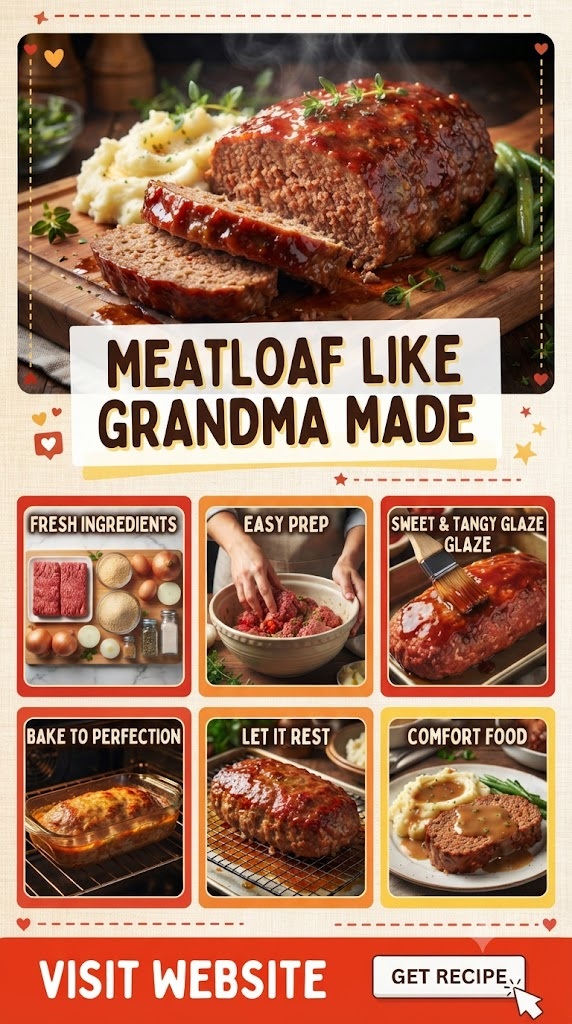
Meatloaf Like Grandma Made: The Ultimate Comfort Food Classic
Introduction
There’s something magical about the aroma of a classic meatloaf baking in the oven—it’s the scent of nostalgia, of simpler times, of Sunday dinners gathered around the family table. For generations, meatloaf like Grandma made has held a cherished place in American homes, representing the heart of homestyle cooking.
Whether you grew up eating this classic dish or are discovering it for the first time, there’s a reason this humble meal has stood the test of time. It’s economical, feeds a crowd, and delivers that deeply satisfying comfort food experience that warms both body and soul. In this comprehensive guide, we’ll explore everything you need to know about making the perfect old-fashioned meatloaf, from the essential ingredients to expert tips that will have your family asking for seconds.
What Is Meatloaf Like Grandma Made?
Classic meatloaf is a beloved American comfort food made from ground meat mixed with binders, seasonings, and aromatics, then shaped into a loaf and baked until golden and juicy. The “grandma style” version represents the traditional approach—simple, honest ingredients prepared with care and served with love.
The beauty of this dish lies in its humble origins. During the Great Depression and World War II, resourceful home cooks stretched limited meat supplies by adding fillers like breadcrumbs or oats, creating hearty meals that fed families on a budget. This practical approach became a cherished tradition passed down through generations. Today, it remains a staple on dinner tables across the country, often served alongside creamy mashed potatoes and green beans for the full nostalgic experience .
Key Ingredients
Creating an authentic meatloaf like Grandma made requires just a handful of pantry staples. Each ingredient plays a specific role in achieving that perfect texture and flavor.
Ground Beef (1½–2 pounds)
The foundation of any great meatloaf is quality ground beef. For the best results, choose 85/15 or 80/20 ground beef—the fat content is crucial for keeping the meatloaf moist and flavorful during baking. Leaner blends like 90/10 can result in a dry, crumbly texture. Some grandmas swear by a combination of ground beef and pork for extra richness and tenderness .
Binder (Breadcrumbs or Oats)
Breadcrumbs or oats absorb excess liquid and fat, helping hold the meatloaf together while maintaining moisture. Options include:
- Italian-seasoned breadcrumbs (½–¾ cup): Add flavor and structure
- Oatmeal (¾–1 cup): A heart-healthy alternative often used in old-fashioned recipes
- Crushed saltine crackers: Create a lighter texture with built-in saltiness
Eggs (1–2 large)
Eggs serve as the binder that holds everything together. Without them, your meatloaf is likely to crumble when sliced. They also add creaminess and richness to the final dish .
Milk (½–¾ cup)
Along with breadcrumbs, milk creates what chefs call a “panade”—a paste that keeps meatloaf incredibly tender and moist. Whole milk works best for flavor and texture .
Onion (1 medium, finely diced)
Finely diced onion adds subtle sweetness and moisture as it cooks. For the best texture, dice it very small or sauté it first until translucent and tender before adding to the meat mixture .
Garlic (2–3 cloves, minced)
A classic addition that brings depth and savory flavor without overpowering the dish. Freshly minced garlic is preferable, but garlic powder works in a pinch.
Seasonings
- Salt and pepper: Essential for bringing all the flavors together
- Worcestershire sauce (1–2 tablespoons): Adds a rich, umami-packed depth that makes the beef taste even more savory
- Dried herbs (thyme, sage, or parsley): Traditional flavor enhancers that evoke that “grandma’s kitchen” taste
Glaze Ingredients
The sweet-and-tangy topping is what makes many family meatloaf recipes memorable:
- Ketchup (½–1 cup): The tomatoey base
- Brown sugar (¼ cup packed): Adds caramel-like sweetness that balances the savory meat
- Vinegar or mustard (1 tablespoon): A touch of tang to cut through the richness
How to Make Meatloaf Like Grandma Made
Follow these step-by-step instructions for a classic meatloaf that tastes just like the one your grandmother would have served.
Preparation Time: 20 minutes
Cook Time: 55–60 minutes
Servings: 6–8
Step 1: Preheat the Oven
Preheat your oven to 350°F. This moderate temperature allows the meatloaf to cook through evenly without drying out or burning the glaze.
Step 2: Sauté the Aromatics (Optional but Recommended)
For the most flavorful meatloaf, heat 1–2 tablespoons of butter in a skillet over medium heat. Add finely diced onion, celery, or carrot and cook until softened and translucent, about 7–10 minutes. Add minced garlic and cook for another minute until fragrant. Let the vegetables cool slightly before adding to the meat mixture .
Grandma’s tip: Sautéing vegetables first removes excess moisture and brings out their natural sweetness, preventing raw onion crunch in the final dish.
Step 3: Create the Panade
In a large bowl, combine breadcrumbs (or oats) with milk. Let it sit for about 5 minutes until the breadcrumbs absorb the liquid and form a paste. This step is the secret to an exceptionally moist meatloaf .
Step 4: Mix the Meatloaf
Add the ground beef, cooled vegetables, eggs, Worcestershire sauce, and seasonings to the panade. Using your hands (the best tool for the job!), gently mix the ingredients until just combined. Be careful not to overmix—overworking the meat develops gluten and results in a tough, dense loaf .
Step 5: Shape the Loaf
Form the meat mixture into a loaf shape. You have two options:
- Loaf pan: Press the mixture into a standard 9×5-inch loaf pan for a classic shape with crisp edges
- Baking sheet: Shape into a freeform loaf on a foil-lined baking sheet for easier cleanup and better glaze caramelization
Step 6: Apply the Glaze
In a small bowl, stir together ketchup, brown sugar, and a splash of vinegar or mustard until smooth. Spread about half the glaze over the top of the raw meatloaf .
Step 7: Bake
Bake at 350°F for 40 minutes. Remove from the oven, spread the remaining glaze over the top, and return to bake for another 15–20 minutes. The meatloaf is done when an instant-read thermometer inserted into the center registers 160°F .
Step 8: Rest Before Slicing
This step is crucial! Let the meatloaf rest on the counter for 10–15 minutes before slicing. This allows the juices to redistribute throughout the loaf, keeping every slice moist and flavorful .
Storage Instructions
- Refrigerator: Store leftovers in an airtight container for up to 3–4 days
- Freezer: Wrap tightly in foil or freezer wrap and freeze for up to 3 months. Thaw overnight in the refrigerator before reheating
How to Use Meatloaf
Classic meatloaf is incredibly versatile. Here are practical ways to enjoy it:
- Main dish: Serve warm slices with mashed potatoes and a vegetable side like green beans or peas for a traditional family dinner
- Cold sandwiches: Next-day leftovers make fantastic sandwiches—simply slice cold and layer on bread with mayonnaise or mustard
- Reheating: Warm slices in the microwave, or reheat the whole loaf (covered with foil) in a 350°F oven until heated through
Potential Benefits
While meatloaf is primarily a comfort food, it does offer some nutritional benefits when prepared with wholesome ingredients.
Good Source of Protein
With 25–30 grams of protein per serving, meatloaf provides the building blocks for muscle maintenance and repair. Protein also promotes satiety, helping you feel full and satisfied after your meal .
Nutrient-Dense Ingredients
When made with vegetables like onion, celery, and carrot, meatloaf contributes important vitamins and minerals to your diet. Traditional recipes often include oats or whole-grain breadcrumbs, adding fiber and complex carbohydrates .
Iron and B Vitamins
Ground beef is naturally rich in iron and B vitamins, particularly B12, which supports healthy red blood cell production and nervous system function.
Important note: While meatloaf can be part of a balanced diet, it should be enjoyed in moderation as part of an overall healthy eating pattern. It is not a cure or treatment for any medical condition.
Why These Ingredients May Work
The traditional meatloaf recipe combines ingredients that work together to create a satisfying, flavorful dish.
The Panade Effect
The combination of breadcrumbs (or oats) with milk creates a gel-like paste that traps moisture during cooking. This “panade” prevents the meat proteins from contracting too much and squeezing out juices, resulting in a tender, moist loaf rather than a dry, crumbly one .
The Role of Fat
Using ground beef with at least 15–20% fat is essential for flavor and texture. As the meat cooks, the fat renders and bathes the loaf in moisture, keeping it juicy and preventing it from drying out. This is why leaner meats like turkey or extra-lean beef often produce drier, less flavorful meatloaf .
Umami and Balance
Ingredients like Worcestershire sauce and ketchup add glutamates, which enhance the savory “umami” taste, making the meat taste meatier and more complex. The brown sugar glaze provides a sweet counterpoint that balances the richness of the beef .
Who May Benefit From This Recipe
This classic meatloaf may appeal to various types of home cooks:
- Busy families: A one-pan meal that stretches a budget and satisfies multiple generations
- Beginner cooks: The recipe is forgiving and doesn’t require advanced techniques
- Meal preppers: Leftovers freeze well and make quick, satisfying lunches
- Comfort food enthusiasts: Anyone seeking a nostalgic, satisfying meal that brings back fond memories
Possible Side Effects and Safety Precautions
While meatloaf is generally safe for most people, there are important precautions to consider.
Food Safety
- Always cook to 160°F: Use a meat thermometer to verify the internal temperature in the center of the loaf. Undercooked ground beef can harbor harmful bacteria like E. coli and Salmonella
- Refrigerate promptly: Don’t leave leftovers at room temperature for more than 2 hours to prevent bacterial growth
- Thaw safely: Always thaw frozen meatloaf in the refrigerator, never at room temperature
Allergies and Sensitivities
- Gluten: Breadcrumbs and Worcestershire sauce may contain gluten. Substitute with gluten-free breadcrumbs or oats and a gluten-free Worcestershire sauce
- Eggs: If you have an egg allergy, some recipes can be made with flax egg substitutes, though texture may differ
- Dairy: Milk can be replaced with nondairy alternatives like oat or almond milk
When to Consult a Healthcare Professional
If you have specific dietary restrictions, food allergies, or medical conditions that affect your diet, consult a registered dietitian or healthcare provider for personalized advice.
Who Should Avoid It
Certain individuals should exercise caution with traditional meatloaf recipes:
- People with high cholesterol or cardiovascular concerns: Traditional meatloaf is high in saturated fat. Consider using leaner ground meat or turkey alternatives, though this may affect moisture and texture
- Those with celiac disease or gluten sensitivity: Many recipes contain breadcrumbs; use certified gluten-free alternatives
- Anyone with a beef allergy (rare but possible): Substitute ground turkey, chicken, or lamb
- Pregnant women: Ensure meat is thoroughly cooked to 160°F to avoid foodborne illness risks during pregnancy
How Long Does It Take to See Results?
“Results” in this context refers to a perfectly cooked, delicious meatloaf. Here are realistic expectations:
- Total time: Approximately 1 hour 15 minutes (20 minutes prep + 55–60 minutes baking + 10 minutes resting)
- Internal temperature check: Use a meat thermometer to verify doneness—this is more reliable than visual cues alone
- Pro tip: If your meatloaf is browning too quickly on top, tent it with foil for the final 15 minutes of baking
Remember, every oven varies, so rely on the thermometer rather than strictly following the clock.
Tips for Best Results
- Don’t overmix: Mix ingredients until just combined. Overworking the meat makes it tough and dense
- Use a thermometer: The most reliable way to ensure perfectly cooked meatloaf without drying it out is checking that the internal temperature reaches 160°F
- Sauté vegetables first: Cooking onions and celery before adding them to the meat removes excess moisture and brings out their natural sweetness
- Let it rest: Always let the meatloaf rest for 10 minutes before slicing to lock in juices
- Use 80/20 ground beef: The fat content is crucial for moist, flavorful results. Don’t opt for extra-lean blends
- Shape gently: When forming the loaf, pack the meat firmly but not too tightly to keep it tender
- Glaze twice: Apply half the glaze before baking and the other half toward the end for a caramelized, flavorful coating
- Avoid loaf pan overflow: Place a baking sheet under your loaf pan to catch drips and make cleanup easier
Common Mistakes to Avoid
- Overmixing the meat: Creates a dense, tough, “meat brick” texture rather than a tender loaf
- Using lean meat: Ground beef that’s too lean (90/10 or leaner) results in a dry, crumbly meatloaf
- Skipping the rest time: Cutting into a freshly baked meatloaf causes juices to run out, leaving you with dry slices
- Rushing the vegetable sauté: Raw or undercooked vegetables release moisture during baking, making the loaf soggy
- Ignoring internal temperature: Guessing doneness leads to undercooked or overcooked meatloaf. Always use a thermometer
- Adding too many mix-ins: While variations are fun, too many additions can make the loaf fall apart
Frequently Asked Questions (FAQs)
What is the secret to moist meatloaf?
The key is using ground beef with enough fat (80/20 or 85/15) and creating a panade by soaking breadcrumbs or oats in milk. This mixture traps moisture and keeps the meat tender during baking. Also, don’t overmix and let it rest for 10 minutes after baking .
Can I use oats instead of breadcrumbs in meatloaf?
Absolutely! Oats make an excellent substitute for breadcrumbs. Use quick or old-fashioned oats (not steel-cut) in the same quantity as breadcrumbs. This was a common swap in many grandmothers’ recipes, especially when breadcrumbs weren’t available .
What is the best temperature to cook meatloaf?
The classic 350°F is the go-to temperature for most traditional meatloaf recipes. This moderate heat allows the loaf to cook through evenly without burning the glaze before the interior is done .
Should I cover my meatloaf while baking?
Most recipes call for uncovered baking to allow the glaze to caramelize and form a flavorful crust. If the top is browning too quickly, you can loosely tent it with foil for the last 15 minutes .
How do I keep meatloaf from falling apart?
The combination of eggs and breadcrumbs (or another binder) holds the meatloaf together. Also, be sure to mix gently—overmixing can break down the structure. Letting it rest before slicing also helps it hold its shape .
Can I make meatloaf with ground turkey instead of beef?
Yes! For a lighter option, use ground turkey. However, turkey is much leaner, so the meatloaf may be drier. Consider adding milk-soaked breadcrumbs, sautéed vegetables, and an extra egg yolk to boost moisture and flavor .
What sides go well with meatloaf?
Classic sides include creamy mashed potatoes, green beans, peas, roasted carrots, and a simple garden salad. These comforting pairings complete the nostalgic dinner table experience .
How do I reheat leftover meatloaf without drying it out?
Reheat slices gently in the microwave with a damp paper towel over them. For larger portions, wrap the meatloaf in foil and warm it in a 350°F oven until heated through. Add a splash of water or broth before covering to create steam .
Can I freeze meatloaf?
Absolutely! You can freeze both raw and cooked meatloaf. For best results, wrap tightly in plastic wrap and foil or place in a freezer-safe container. It will keep for up to 3 months. Thaw in the refrigerator before baking or reheating .
Why is my meatloaf always dry?
Common causes include using lean ground beef (90/10 or leaner), overmixing the meat, baking at too high a temperature, or not using a binder like breadcrumbs and milk. Try the tips in this article to troubleshoot your next batch .
Final Thoughts
Meatloaf like Grandma made is more than just a recipe—it’s a reminder of the power of simple, honest cooking to bring families together. With humble ingredients and a little bit of care, you can recreate that nostalgic experience in your own kitchen.
Remember the golden rules: use quality ground beef with enough fat, mix gently, don’t skip the panade, let it rest, and always use a meat thermometer for foolproof results. Whether you’re serving it for a weeknight dinner or a special Sunday meal, this classic comfort food continues to deliver warmth, satisfaction, and delicious memories with every bite.
Now it’s your turn—gather your ingredients, put on your favorite apron, and enjoy the timeless tradition of making meatloaf that tastes just like Grandma used to make.