
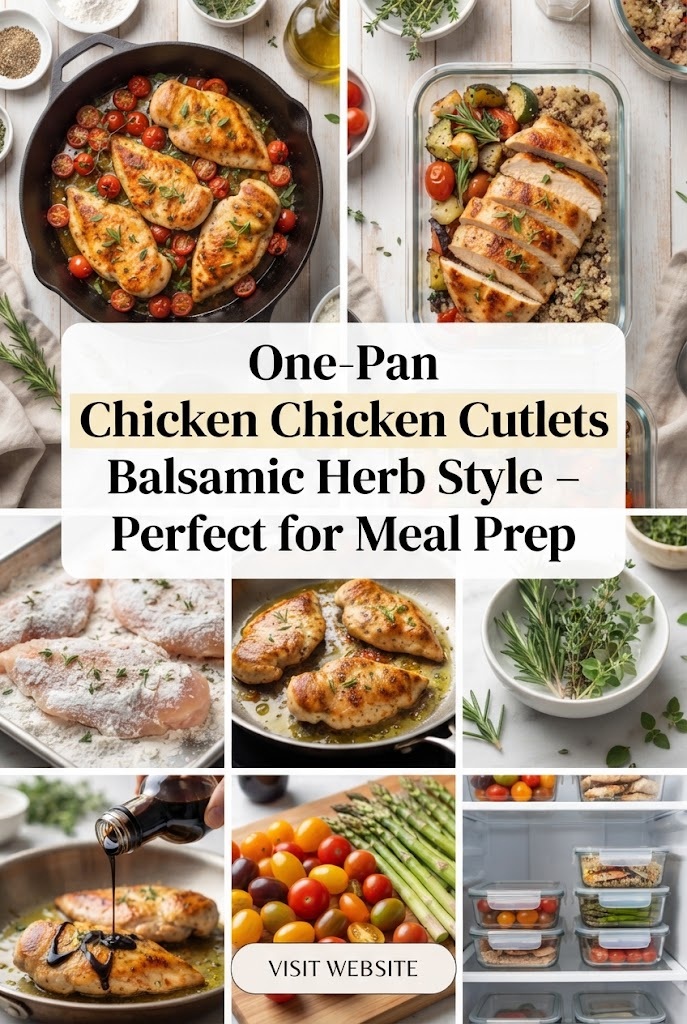
In the modern, fast-paced world, the bridge between healthy eating and a busy schedule often feels like a chasm that’s impossible to cross. Between work commitments, family obligations, and the desire for a social life, the idea of spending hours in the kitchen every night is simply not feasible for most. This is where the magic of “One-Pan Chicken Cutlets Balsamic Herb Style” enters the frame.
This dish is not just a recipe; it is a strategic tool for your kitchen. It combines the lean, high-protein benefits of chicken breast with the complex, acidic, and sweet notes of balsamic vinegar, rounded out by the earthy depth of fresh herbs. By cooking everything in a single pan, you minimize cleanup while maximizing the concentration of flavor. This guide will walk you through every nuance of this dish, from the science of the sear to the logistics of long-term meal prep.
The Philosophy of the One-Pan Meal
The “One-Pan” philosophy is rooted in efficiency and flavor development. When you cook proteins and vegetables in the same vessel, you are participating in a process of flavor layering. As the chicken sears, it leaves behind “fond”—those caramelized brown bits stuck to the bottom of the pan. In a multi-pan cooking scenario, that flavor is often lost. In a one-pan scenario, the balsamic vinegar and herb juices deglaze the pan, incorporating that concentrated essence back into the sauce and the vegetables.
Furthermore, from a meal prep perspective, the one-pan method reduces the “barrier to entry.” When you know you only have one heavy skillet to wash, the psychological hurdle of starting a cooking session is significantly lowered.
Why Chicken Cutlets? Understanding the Cut
Most people reach for standard chicken breasts when meal prepping, but the chicken cutlet is the superior choice for several reasons:
- Uniform Thickness: A standard chicken breast is bulbous at one end and thin at the other. This leads to the thin end drying out while the thick end remains undercooked. Cutlets are sliced thin and even, ensuring every bite is juicy.
- Increased Surface Area: Flavor lives on the surface. By slicing a breast into two or three cutlets, you increase the surface area available for seasoning, searing, and soaking up the balsamic glaze.
- Faster Cook Time: Cutlets cook in about 3-4 minutes per side. This prevents the “meal prep fatigue” that comes from waiting 25 minutes for a thick breast to roast in the oven.
The Anatomy of the Balsamic Herb Glaze
The star of this show is the balsamic herb reduction. To master this dish, you must understand the components of the glaze:
The Balsamic Vinegar
Not all balsamic vinegars are created equal. For this recipe, you want a “Balsamic Vinegar of Modena.” You don’t need the $100 traditional aged variety, but avoid the “balsamic flavored” vinegars that are mostly cider vinegar and caramel color. A decent mid-range balsamic will have a natural syrupy quality when reduced, providing a perfect balance of acidity and sugar.
The Aromatics
Garlic and shallots form the aromatic base. Shallots are preferred over onions here because they melt into the sauce more readily and offer a subtle sweetness that complements the vinegar without overpowering the herbs.
The Herb Trio
- Rosemary: Provides a woody, pine-like aroma that stands up well to the strong acidity of the vinegar.
- Thyme: Offers a subtle, earthy sweetness.
- Oregano: Adds a Mediterranean punch that bridges the gap between the chicken and the balsamic.
Essential Ingredients for One-Pan Balsamic Herb Chicken
To achieve the best results, gather these high-quality ingredients:
- Chicken Breast: 2 lbs, sliced into thin cutlets and pounded to 1/2-inch thickness.
- Balsamic Vinegar: 1/2 cup of high-quality Modena vinegar.
- Honey or Maple Syrup: 1 tablespoon (optional, to balance the acidity).
- Dijon Mustard: 1 tablespoon (acts as an emulsifier for the sauce).
- Extra Virgin Olive Oil: For searing and flavor.
- Fresh Garlic: 4 cloves, minced.
- Fresh Rosemary & Thyme: 2 tablespoons, finely chopped.
- Sea Salt & Cracked Black Pepper: To taste.
- Chicken Bone Broth: 1/4 cup (to provide body to the sauce).
- Vegetables for the Pan: Asparagus, cherry tomatoes, and red onions work beautifully.
Step-by-Step Cooking Instructions
1. Preparation and Seasoning
Start by patting your chicken cutlets bone-dry with paper towels. This is the most crucial step for a good sear. Moisture is the enemy of the Maillard reaction (the browning process). Season both sides generously with salt and pepper.
2. The Sear
Heat a large stainless steel or cast-iron skillet over medium-high heat. Add two tablespoons of olive oil. Once the oil shimmers, add the chicken. Do not crowd the pan; work in batches if necessary. Sear for 3 minutes per side until a golden-brown crust forms. Remove the chicken and set it aside on a plate.
3. Sautéing the Aromatics
Lower the heat to medium. In the same pan, add the minced shallots and garlic. Stir frequently for 1-2 minutes until they are translucent and fragrant. If the pan looks dry, add a teaspoon of oil.
4. Creating the Glaze
Pour in the balsamic vinegar, chicken broth, Dijon mustard, and honey. Use a wooden spoon to scrape the bottom of the pan, releasing all the browned bits (the fond). Add the fresh herbs. Let the liquid simmer for 3-5 minutes until it reduces by about half and coats the back of a spoon.
5. Integrating the Vegetables
Toss in your cherry tomatoes and asparagus (or your vegetable of choice). Sauté for 4-5 minutes within the glaze until the tomatoes begin to burst and the asparagus is tender-crisp.
6. The Final Marriage
Return the chicken cutlets and any accumulated juices to the pan. Spoon the glaze and vegetables over the chicken. Let everything simmer together for 2 minutes to ensure the chicken is heated through and infused with the balsamic essence.
The Science of the Maillard Reaction in This Dish
Why does searing the chicken matter so much? The Maillard reaction is a chemical reaction between amino acids and reducing sugars that gives browned food its distinctive flavor. When you sear the cutlets, you aren’t just changing the color; you are creating hundreds of different flavor compounds. These compounds then dissolve into the balsamic sauce, creating a depth of flavor that cannot be achieved by simply boiling or baking the chicken.
Meal Prep Strategy: Portioning and Storage
This dish is a meal prepper’s dream because the flavors actually improve as they sit. The acidity of the balsamic vinegar acts as a mild preservative and helps keep the chicken tender.
Portioning
For a standard work week, divide the chicken and vegetables into five airtight containers.
- The Base: Pair the chicken with a complex carbohydrate like quinoa, farro, or roasted sweet potatoes.
- The Sauce: Ensure you drizzle the remaining pan glaze evenly over each portion. This prevents the chicken from drying out when reheated.
Storage
- Fridge: Store for up to 4 days.
- Freezer: While you can freeze this, the balsamic glaze may change texture slightly. If freezing, store the sauce separately if possible, or ensure the container is vacuum-sealed to prevent freezer burn.
Reheating Tips
To maintain the texture of the cutlet, avoid “nuking” it on high power. Use 50% power on your microwave for 2 minutes, or better yet, reheat in a covered skillet over low heat with a splash of water or broth to create steam.
Nutritional Breakdown and Health Benefits
This recipe fits into a variety of dietary lifestyles, including Mediterranean, Paleo, and Keto (if the honey is omitted).
- High Protein: Chicken cutlets provide essential amino acids for muscle repair and satiety.
- Antioxidants: Fresh rosemary and thyme are packed with polyphenols.
- Heart Healthy Fats: Using extra virgin olive oil provides monounsaturated fats that support cardiovascular health.
- Low Calorie, High Flavor: Unlike creamy sauces, a balsamic reduction provides intense flavor for a fraction of the calories.
Variations to Keep Things Interesting
One of the reasons this recipe is a staple for professional meal preppers is its versatility. You can use the same technique but swap ingredients to change the entire profile.
The Mediterranean Variation
Add kalamata olives, artichoke hearts, and a sprinkle of feta cheese at the very end. Replace the rosemary with dried oregano and lemon zest.
The Spicy Kick
Add a teaspoon of red pepper flakes to the garlic and shallot stage. The heat of the pepper cuts through the sweetness of the balsamic beautifully.
The Autumnal Version
Swap the asparagus for sliced Brussels sprouts and add dried cranberries to the glaze. Use maple syrup instead of honey for a deeper, earthier sweetness.
The Mushroom Umami
Sauté cremini or shiitake mushrooms before adding the garlic. The mushrooms will soak up the balsamic vinegar, creating “umami bombs” that pair perfectly with the chicken.
Choosing the Right Equipment
The success of a one-pan meal often depends on the pan itself.
- Cast Iron: Excellent for heat retention and achieving a superior sear. However, be careful with highly acidic sauces like balsamic if your pan isn’t perfectly seasoned, as it can strip the seasoning.
- Stainless Steel: The professional’s choice. It is non-reactive (perfect for vinegar) and allows for the best “fond” development.
- Enamel-Coated Cast Iron (Braiser): The gold standard for this dish. It provides the heat of cast iron with a non-reactive surface and high sides to contain the glaze.
Common Mistakes to Avoid
- Overcrowding the Pan: If the chicken pieces are touching, they will steam instead of sear. You’ll end up with grey, rubbery chicken instead of golden-brown cutlets.
- Using “Balsamic Glaze” from a Bottle: Many store-bought glazes are filled with corn syrup and thickeners. It is always better to reduce actual balsamic vinegar in the pan.
- Burning the Garlic: Garlic cooks very fast. Always add it after the shallots have already softened to ensure it doesn’t turn bitter.
- Not Resting the Chicken: Even thin cutlets benefit from a 2-minute rest before being sliced for meal prep. This allows the juices to redistribute.
Pairing Suggestions
If you are serving this for a fresh dinner before boxing up the leftovers, consider these pairings:
- Wine: A medium-bodied red like a Chianti or a Pinot Noir. The acidity in the wine mirrors the acidity in the balsamic.
- Sides: A simple arugula salad with lemon vinaigrette or a side of creamy polenta to soak up the extra sauce.
- Garnish: Never underestimate the power of fresh parsley or a final crack of black pepper to brighten the dish.
The Role of Balsamic Vinegar in Digestion
Interestingly, balsamic vinegar isn’t just for flavor. Historically, it has been used as a digestive aid. The acetic acid in the vinegar contains strains of probiotics that can support gut health. When consumed with a protein-heavy meal like chicken cutlets, the acidity can help stimulate digestive enzymes, making the meal feel “lighter” even though it is incredibly satisfying.
Frequently Asked Questions (FAQ)
Can I use chicken thighs instead of breasts?
Yes! Chicken thighs are more forgiving and stay moist longer. However, they contain more fat, so you may need to drain the pan slightly after searing before adding your aromatics.
Is this recipe gluten-free?
As written, yes. Just ensure your chicken broth and Dijon mustard are certified gluten-free.
My sauce is too thin. How do I thicken it?
Continue to simmer the sauce without the lid. If you are in a hurry, whisk a teaspoon of cornstarch into a tablespoon of cold water and stir it into the simmering glaze. It will thicken almost instantly.
How do I stop the chicken from being tough?
Toughness usually comes from overcooking. Use a meat thermometer to pull the chicken when it hits 160°F (71°C). The carryover heat will bring it to the safe 165°F (74°C) without drying it out.
Why This Recipe Wins for US Households
In the United States, the trend toward “Whole Foods” and “Clean Eating” has never been stronger. This recipe aligns perfectly with those goals. It avoids processed sugars, uses lean proteins, and focuses on fresh produce. Moreover, with the rising cost of dining out, mastering a restaurant-quality dish like Balsamic Herb Chicken at home provides significant financial savings without sacrificing the culinary experience.
Final Thoughts on Mastering Meal Prep
Meal prep is often viewed as a chore, a Sunday afternoon spent in a cloud of steam and Tupperware. But when you move toward “One-Pan” strategies, it becomes an art form. The One-Pan Chicken Cutlets Balsamic Herb Style represents the pinnacle of this art. It is sophisticated enough for a Saturday night dinner party yet rugged and reliable enough to be pulled out of a gym bag on a Wednesday afternoon.
By focusing on the quality of your vinegar, the precision of your sear, and the timing of your vegetables, you transform simple ingredients into a week’s worth of culinary excellence. This is not just food for fuel; it is food for living well.
Summary Checklist for Success:
- Pat chicken dry for a better sear.
- Use a high-quality Balsamic Vinegar of Modena.
- Don’t skip the deglazing step; that’s where the flavor lives.
- Balance the acid with a touch of honey or maple syrup.
- Use fresh herbs rather than dried whenever possible for a brighter profile.
- Store with plenty of sauce to ensure leftovers remain juicy.