
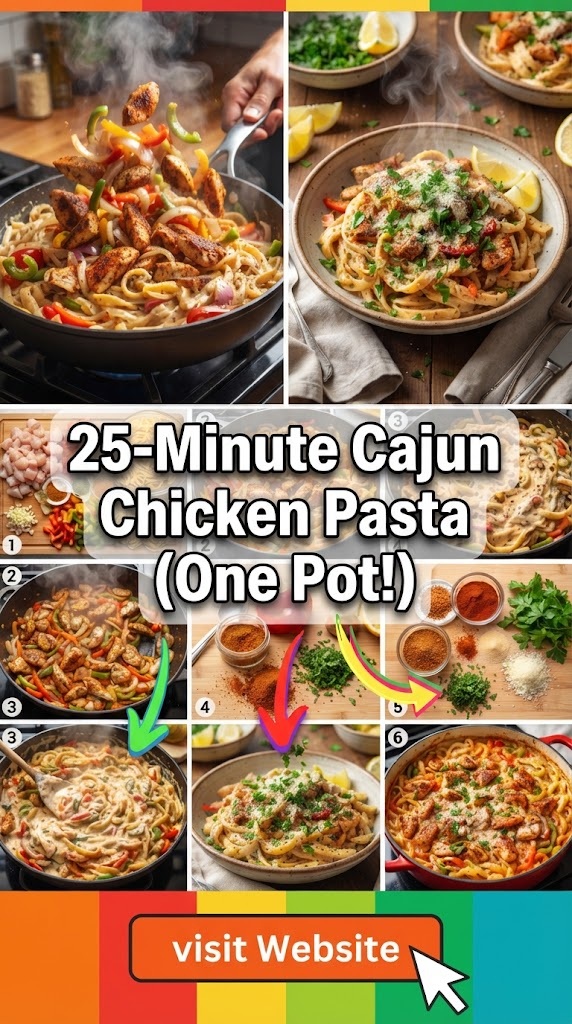
There is a specific kind of magic that happens when you combine the rustic, fiery soul of Louisiana cooking with the streamlined efficiency of modern kitchen techniques. We’ve all been there: the clock is ticking toward 6:00 PM, the family is hungry, and the thought of scrubbing four different pots and pans feels like an insurmountable mountain. This is where the beauty of the one-pot method transforms your kitchen from a chaotic workspace into a high-efficiency bistro.
Cajun chicken pasta is a staple in American casual dining for a reason. It hits every sensory note—smoky, spicy, creamy, and savory. But too often, home versions result in dry chicken or a sauce that separates because the pasta was boiled in one pot and tossed in another. By cooking everything together, we harness the natural starches from the pasta to create a cohesive, velvety sauce that clings to every noodle. This isn’t just about saving time; it’s about better flavor.
In the next 25 minutes, you are going to learn how to layer flavors like a professional chef while keeping the process simple enough for a Tuesday night. We are talking about succulent pieces of seared chicken, a “holy trinity” of aromatics, and a spice blend that will wake up your taste buds. Let’s dive into the mechanics of the perfect one-pot Cajun chicken pasta.
Why the One-Pot Method is a Game Changer
In traditional pasta cooking, we are taught to boil noodles in a massive vat of salted water, drain them, and then add them to a sauce. While that works for many Italian classics, the one-pot method offers a unique advantage for creamy, spiced dishes like this one.
When you cook the pasta directly in the broth and cream, the starch released from the wheat stays in the pan. This starch acts as a natural emulsifier. It binds the fats from the heavy cream and the liquids from the chicken broth together, ensuring your sauce never becomes “broken” or oily. Furthermore, the pasta absorbs the flavors of the Cajun seasoning and chicken juices as it hydrates, rather than just absorbing plain water. The result is a more deeply seasoned dish from the inside out.
The Essential Ingredient Profile
To achieve that authentic “Big Easy” flavor profile, we need to be intentional with our ingredients. While this is a quick meal, the quality of your components will dictate the final result.
The Protein: Chicken Selection
For a 25-minute meal, boneless, skinless chicken breasts are the standard choice because they cook rapidly. However, if you have an extra five minutes, chicken thighs offer a juicier, more forgiving texture. Thighs contain more connective tissue and fat, which means they won’t dry out if the pasta takes a minute longer to reach al dente. Whichever you choose, the key is to dice them into uniform 1-inch cubes to ensure even searing and cooking.
The Spice: Crafting the Cajun Blend
You can certainly use a store-bought Cajun seasoning (like Slap Ya Mama or Tony Chachere’s), but be mindful of the salt content. Many commercial blends are primary salt-based. If you want more control, I recommend a blend of:
- Smoked Paprika: For that deep red color and wood-fired aroma.
- Cayenne Pepper: This provides the “kick.” Adjust based on your heat tolerance.
- Garlic and Onion Powder: For foundational savory notes.
- Dried Thyme and Oregano: To add an earthy, herbal undertone.
- Black and White Pepper: For a multi-layered heat profile.
The Pasta Shape
Not all pasta is created equal for one-pot cooking. You want a shape with “nooks and crannies” to catch the creamy sauce.
- Penne: The classic choice. Its ridges (rigate) hold the sauce perfectly.
- Fusilli or Rotini: The spirals are excellent for grabbing bits of spice and small aromatics.
- Bowtie (Farfalle): A fun, family-friendly option that holds up well under simmering. Avoid long, thin noodles like spaghetti or linguine for this specific one-pot method, as they tend to clump together when cooked in a smaller volume of liquid.
The Liquid Base
We use a combination of chicken broth and heavy cream. The broth provides the volume needed to cook the pasta, while the heavy cream adds the luxury. If you want a lighter version, you can use half-and-half, but be aware that it won’t thicken quite as beautifully as heavy cream.
Kitchen Equipment Needed
One of the best parts of this recipe is the minimal gear required.
- A Large, Deep Skillet or Dutch Oven: You need something with high sides to contain the liquid as it bubbles. A 12-inch cast-iron skillet or a 5-quart Dutch oven is ideal.
- A Sharp Chef’s Knife: For dicing the chicken and aromatics cleanly.
- Wooden Spoon or Heat-Resistant Spatula: Perfect for scraping up the “fond” (the brown bits) from the bottom of the pan.
- Measuring Cups and Spoons: Precision matters when balancing the liquid-to-pasta ratio.
Step-by-Step Instructions: The 25-Minute Blueprint
1. The Sear (Minutes 0-5)
Heat two tablespoons of olive oil or butter in your pan over medium-high heat. While the pan heats, toss your diced chicken in half of the Cajun seasoning. Once the pan is shimmering, add the chicken in a single layer.
Pro Tip: Do not crowd the pan. If the chicken is too crowded, it will steam instead of sear. We want those golden-brown edges because they represent “Maillard reaction” flavors that deepen the entire sauce. Sear for about 3-4 minutes until golden but not fully cooked through. Remove the chicken and set it aside on a plate.
2. The Aromatics (Minutes 5-8)
In the same pan (don’t wash it!), add a bit more oil if needed. Drop in your diced bell peppers (red and green for color) and sliced green onions or diced yellow onion. Sauté for about 3 minutes until the vegetables soften. Add minced garlic in the last 60 seconds to prevent it from burning.
3. The Deglaze and Simmer (Minutes 8-20)
Pour in your chicken broth. Use your wooden spoon to scrape the bottom of the pan to release all those tasty chicken bits. Add the heavy cream, the remaining Cajun seasoning, and the dry pasta.
Bring the mixture to a gentle boil, then immediately reduce the heat to medium-low. Cover the pan with a lid. This is crucial—the lid traps the steam, ensuring the pasta cooks evenly. Simmer for about 10-12 minutes. Every few minutes, give it a quick stir to ensure the pasta isn’t sticking to the bottom.
4. The Finish (Minutes 20-25)
Once the pasta is al dente (tender but with a slight bite), remove the lid. The sauce might still look a little thin—that’s okay! Stir the seared chicken (and any juices from the plate) back into the pan.
Add a generous handful of freshly grated Parmesan cheese. Stir constantly for 1-2 minutes. You will see the sauce magically thicken and turn glossy as the cheese melts and the starch binds everything together. Taste and adjust for salt or extra heat.
Professional Chef Tips for the Perfect Texture
- Mind the Salt: Cajun seasoning is notoriously salty. Use low-sodium chicken broth so you can control the final seasoning. You can always add salt at the end, but you can’t take it out.
- The Cheese Factor: Please, skip the green can of “shaky cheese.” Buy a wedge of Parmesan and grate it yourself. Pre-shredded cheeses are coated in potato starch or cellulose to prevent clumping in the bag, which can make your one-pot sauce feel grainy.
- The Liquid Ratio: If you find the pasta has absorbed all the liquid but isn’t quite cooked yet, splash in an extra 1/4 cup of broth. Every stove and pan retains heat differently, so don’t be afraid to adjust.
- Resting Time: Let the pasta sit for 2-3 minutes off the heat before serving. This “carry-over” period allows the sauce to fully set and adhere to the noodles.
Common Mistakes to Avoid
- Boiling Too Hard: If you keep the heat on high, the cream might curdle or the liquid will evaporate before the pasta is cooked. A gentle simmer is your friend.
- Using a Small Pan: If the pasta is piled too high, it won’t cook evenly. Use the widest pan you have.
- Overcooking the Chicken: By removing the chicken after the initial sear and only adding it back at the end, you ensure the meat remains juicy and tender rather than rubbery.
Flavor Variations to Keep it Fresh
While the classic chicken version is a crowd-pleaser, this one-pot method is highly adaptable.
The Seafood Twist
Substitute the chicken for large shrimp. Shrimp cook much faster (about 2 minutes), so you don’t need to sear and remove them. Simply stir raw, seasoned shrimp into the pot during the last 3-4 minutes of the pasta’s cooking time.
The Vegetarian Option
Swap the chicken for sliced mushrooms and zucchini. Mushrooms provide a great “meaty” texture and absorb the Cajun spices beautifully. Use vegetable broth instead of chicken broth.
The “All-In” Deluxe
Add sliced Andouille sausage along with the chicken. The smoky, fatty sausage renders out even more flavor into the base of the sauce, giving it a truly authentic Louisiana feel.
Extra Heat
If you are a true chili-head, add a diced jalapeño with the bell peppers or a few dashes of your favorite vinegar-based Louisiana hot sauce at the very end.
How to Store and Reheat
One-pot pasta is best enjoyed immediately, as the sauce is at its creamiest. However, life happens, and leftovers are inevitable.
- Storage: Store in an airtight container in the refrigerator for up to 3 days.
- Reheating: Creamy sauces tend to thicken significantly in the fridge as the pasta continues to absorb moisture. To reheat, place the pasta in a pan over low heat and add a splash of milk or water. Stir gently as it warms to bring the sauce back to its original consistency. Microwave reheating works too, but do it in 30-second intervals with a bit of extra liquid to prevent the chicken from becoming tough.
Best Side Dishes to Serve with Cajun Pasta
Because this dish is quite rich and flavorful, you want sides that offer a fresh or acidic contrast.
- Garlic Bread: A classic choice to mop up every last drop of that creamy Cajun sauce.
- Crisp Green Salad: A simple arugula or romaine salad with a lemon-vinaigrette helps cut through the richness of the cream.
- Roasted Okra: For a Southern-themed side, roasted okra with a bit of sea salt is a fantastic textural contrast.
- Steamed Broccoli: Tossed with a little lemon juice and garlic, it adds a healthy, vibrant crunch to the plate.
Nutrition Insights
While “creamy” and “pasta” don’t usually scream “low calorie,” this dish provides a balanced profile of protein, carbohydrates, and fats. By making it at home, you are avoiding the excessive sodium and preservatives found in restaurant versions. To make it “healthier,” you can use whole-wheat pasta for extra fiber or increase the ratio of bell peppers and onions to pasta.
Frequently Asked Questions
Can I use frozen chicken? It is best to thaw the chicken completely before starting. Frozen chicken releases a lot of excess water when it hits the pan, which will prevent it from searing and may throw off the liquid-to-pasta ratio in your one-pot.
What if I don’t have heavy cream? You can use half-and-half or even whole milk combined with a tablespoon of flour (to make a quick roux with the vegetables), but the sauce will be thinner and less luxurious. For a dairy-free option, full-fat canned coconut milk works surprisingly well with Cajun spices, though it will add a slight coconut undertone.
Can I make this gluten-free? Yes! Use your favorite gluten-free penne or rotini. Keep in mind that gluten-free pasta (especially those made from rice or corn) can be more fragile and may release more starch. Check the pasta for doneness a few minutes early to prevent it from becoming mushy.
Is Cajun pasta very spicy? The heat level is entirely in your control. The “heat” comes from the cayenne pepper in the Cajun seasoning. If you are sensitive to spice, use a “mild” Cajun blend or make your own and omit the cayenne. The paprika and aromatics will still provide plenty of flavor without the burn.
Why is my sauce oily? This usually happens if the heat was too high, causing the cream to “break,” or if you used pre-shredded cheese that didn’t melt properly. To fix it, try stirring in a tablespoon of warm water or broth very vigorously to re-emulsify the sauce.
Can I use a different protein? Absolutely. Sliced smoked sausage, turkey, or even steak strips work beautifully. If using steak, sear it quickly to medium-rare, remove it, and add it back at the very end to prevent it from becoming well-done.
Do I have to use a lid? Yes. In a one-pot recipe, the lid is essential for cooking the pasta that isn’t fully submerged in liquid. The steam does half the work. If you don’t have a lid for your skillet, use a large baking sheet or a piece of heavy-duty aluminum foil to cover the pan tightly.
Conclusion
The 25-minute one-pot Cajun chicken pasta is more than just a recipe; it’s a strategy for better living. It proves that you don’t have to sacrifice flavor for speed, and you certainly don’t have to spend your entire evening doing dishes. By understanding the science of starch and the art of the sear, you’ve turned a handful of pantry staples into a meal that feels like a celebration.
Next time you find yourself reaching for a takeout menu, remember that you are less than half an hour away from a bowl of creamy, spicy, soul-warming pasta. Whether you’re cooking for a hungry family or just treating yourself after a long day, this dish delivers every single time. So, grab your skillet, crank up the jazz, and bring a little bit of Louisiana flavor to your kitchen tonight. Happy cooking!