
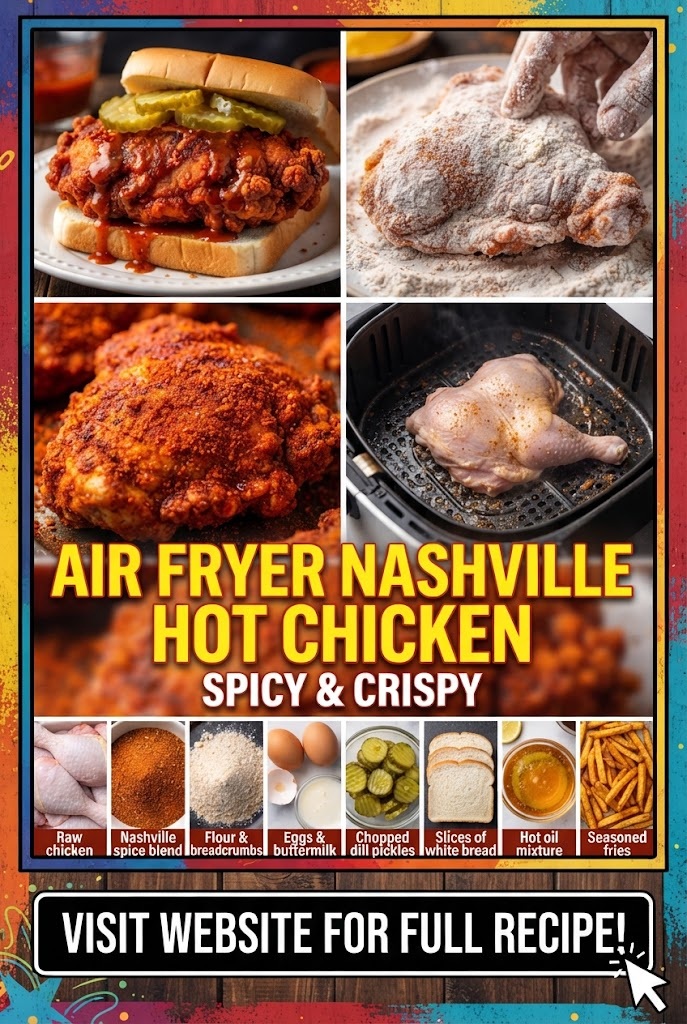
There is a specific, primal satisfaction that comes from biting into a piece of authentic Nashville Hot Chicken. It is a sensory assault in the best way possible: the audible crunch of the breading, the succulent moisture of the chicken, and that slow-building, back-of-the-throat glow that defines Tennessee’s most famous export. Historically, this dish is a lesson in excess—submerged in hot lard and finished with a spicy oil that could melt paint.
However, as we move into a modern culinary era where the air fryer has become a staple of the high-end home kitchen, the challenge for any professional developer is clear: How do we replicate that deep-fried, oil-bathed soul without the heavy vat of grease?
The answer lies in understanding the science of convection. Nashville Hot Chicken isn’t just about heat; it’s about the marriage of an acidified brine, a high-starch coating, and a finish that utilizes fat as a carrier for fat-soluble capsaicin. In this guide, we are stripping away the traditional deep fryer and utilizing the high-velocity airflow of the air fryer to achieve a result that even the most hardened Nashville purist would respect. This isn’t just a “healthy alternative”; it is a technical evolution of a classic.
Why the Air Fryer is a Game-Changer for Nashville Hot Chicken
When you deep fry chicken, the oil acts as a heat transfer medium, surrounding every nook and cranny of the breading to create instant steam and subsequent dehydration (the crunch). The air fryer, essentially a compact convection oven, uses air to do the same thing.
The “Professional Edge” in this recipe comes from managing that airflow. By using a specific ratio of flour to cornstarch and a strategic application of high-smoke-point oil spray, we can trigger the Maillard reaction—that beautiful browning of proteins and sugars—without the chicken becoming “doughy” or “dusty,” a common pitfall of air-fried meats. Furthermore, the air fryer allows the chicken to cook more evenly, reducing the risk of a burnt exterior and a raw interior, which often happens in traditional frying if the oil temperature isn’t perfectly calibrated.
The Essential Mise en Place: Ingredients for Success
To achieve a professional-grade result, the quality and temperature of your ingredients are non-negotiable.
The Chicken and the Brine
- Chicken Thighs (Boneless, Skin-on or Skinless): While breasts are common, thighs offer a higher fat content which translates to better flavor and moisture retention under the high heat of an air fryer.
- Buttermilk: The lactic acid tenderizes the protein fibers without making them mushy.
- Pickle Juice: A secret weapon in the South. The vinegar and salt provide a deep-seated seasoning.
- Hot Sauce (Vinegar-based): Think Crystal or Texas Pete to build the foundation of flavor.
- Large Egg: This acts as the “glue” for our dredge.
The Professional Dredge
- All-Purpose Flour: Provides the structure.
- Cornstarch: This is crucial. Cornstarch interferes with gluten development, leading to a crispier, more “shatter-like” crust.
- Smoked Paprika: For color and a hint of background woodsmoke.
- Garlic and Onion Powder: For savory depth.
- Sea Salt and Fresh Cracked Black Pepper: Basic but essential.
The Signature Nashville Hot Glaze
- Neutral Oil or Melted Ghee: We use this to carry the spices. Ghee adds a nutty, rich undertone.
- Cayenne Pepper: The heart of the recipe. Adjust based on your tolerance, but authentic Nashville chicken is meant to be assertive.
- Brown Sugar: To balance the heat and help the glaze “tack” to the chicken.
- Chili Powder and Garlic Powder: To round out the spice profile.
Technical Notes on Ingredient Selection
When selecting your chicken, look for “air-chilled” poultry. Most grocery store chicken is water-chilled, meaning the meat absorbs excess water. When you put water-logged chicken in an air fryer, it steams rather than fries. Air-chilled chicken has a tighter protein structure and a drier surface, which is the holy grail for crispy skin and breading.
Regarding the cayenne, not all spices are created equal. If your cayenne has been sitting in your pantry since the last presidential election, it has lost its volatile oils. Buy a fresh tin. The heat should be vibrant and aromatic, not dusty and bitter.
The Tool Kit: Equipment Essentials
To execute this recipe with precision, you will need:
- Air Fryer: A basket-style or toaster oven-style air fryer both work, but ensure the heating element is clean to prevent smoking.
- Instant-Read Digital Thermometer: This is the most important tool in your kitchen. We are looking for an internal temperature of 165°F (74°C) for breasts or 175°F (80°C) for thighs.
- Oil Sprayer: Avoid aerosol cans with propellants (like PAM), as they can damage the non-stick coating of your air fryer basket. Use a reusable mister filled with avocado or grapeseed oil.
- Stainless Steel Wire Rack: For resting the chicken. Never rest fried chicken on paper towels, as the steam will trapped underneath and turn your crust soggy.
The Step-by-Step Methodology
Phase 1: The Acidified Brine
In a large glass bowl, whisk together 1 cup of buttermilk, ½ cup of pickle juice, 2 tablespoons of hot sauce, and one beaten egg. Submerge your chicken pieces fully. Cover and refrigerate for at least 4 hours, though 12 to 24 hours is the professional standard. This window allows the salt and acid to penetrate to the bone, ensuring the meat is seasoned throughout, not just on the surface.
Phase 2: The Double-Dredge Process
In a shallow pan, combine 1 ½ cups of flour, ½ cup of cornstarch, and your dry seasonings.
The Technique: Remove a piece of chicken from the brine, letting the excess drip off. Dredge it in the flour mixture, pressing firmly to ensure the flour adheres to every crevice. Dip it back into the buttermilk brine for a split second, then back into the flour. This “double-dredge” creates the craggy, mountainous texture that traps the spicy oil later.
Pro Tip: Once dredged, let the chicken sit on a wire rack for 10-15 minutes before air frying. This allows the flour to hydrate and form a paste-like bond with the meat, preventing the breading from blowing off in the high-velocity air of the fryer.
Phase 3: The Air Fryer Execution
Preheat your air fryer to 375°F (190°C).
Arrange the chicken in the basket in a single layer. Do not overcrowd. If the air can’t circulate around each piece, you will end up with soft spots.
Generously spray the chicken with your oil mister. You want to see no visible white flour. If you see white spots, they will stay dry and chalky.
Cook for 12 minutes, then flip the chicken. Spray the other side. Continue cooking for another 8-12 minutes, or until the internal temperature reaches your target and the exterior is deep golden brown and audibly crispy when tapped with a fork.
Phase 4: The Nashville “Hot” Glaze
While the chicken is cooking, prepare the glaze. In a small saucepan over low heat (or in a microwave-safe bowl), combine ½ cup of oil (or ghee), 3 tablespoons of cayenne, 1 tablespoon of brown sugar, and a teaspoon each of paprika and garlic powder. Whisk until the sugar is dissolved and the spices are fully incorporated.
The Professional Touch: As soon as the chicken comes out of the air fryer, while it is still screaming hot, brush it generously with the spicy oil. The heat of the chicken will cause the spices in the oil to bloom, intensifying their flavor and aroma.
Avoiding Common Pitfalls
- The “Dusty” Crust: This happens when there isn’t enough fat on the exterior. Don’t be afraid of the oil spray. Even though we are air frying, we still need a thin layer of lipid to fry the flour.
- Breading Falling Off: This usually happens because the chicken was too wet when it hit the flour, or you didn’t let it “set” after dredging. Follow the resting step!
- The “Flash Burn”: If your glaze has too much sugar, it can burn if you apply it and then put the chicken back in the fryer. Always apply the glaze after the final cook.
- Smoke in the Kitchen: If your air fryer starts smoking, it’s likely because fat from the chicken is dripping onto the bottom tray and burning. Place a slice of bread or a tablespoon of water in the bottom of the air fryer (under the basket) to catch the drippings and prevent smoking.
Pro-Level Flavor Modifications
While the traditional Nashville profile is cayenne-heavy, as a chef, I encourage experimentation with the heat profile:
- The Smoked Variant: Substitute half of the cayenne with Chipotle powder. This adds a deep, earthy smokiness that complements the air fryer’s “roasted” quality.
- The Honey-Hot: Add 2 tablespoons of local honey to the glaze. The floral sweetness cuts through the sharp acidity of the cayenne, creating a “Hot Honey” Nashville hybrid.
- The Garlic-Herb: Fold in finely minced fermented garlic and dried oregano into the flour dredge for a more complex, savory profile.
Preserving the Crunch: Storage and Reheating
If you have leftovers (a rare occurrence), storing them correctly is vital. Place the chicken in a container but do not seal the lid tightly until the chicken is completely cold; otherwise, the residual steam will ruin the crust.
To Reheat: Never use the microwave. The microwave agitates water molecules, which will turn your beautiful breading into a soggy mess. Instead, place the chicken back in the air fryer at 350°F (175°C) for 3-5 minutes. This will re-crisp the exterior and warm the interior without drying it out.
The Perfect Accompaniments: What to Serve
In Nashville, the presentation is iconic: two slices of cheap white bread and a handful of dill pickle chips. The bread isn’t just a garnish; it serves as a “sop” to catch all the spicy oil that drips off the chicken.
To elevate this into a full meal, consider these pairings:
- Creamy Vinegar Slaw: You need an acid and a fat to cut through the heat. A slaw made with apple cider vinegar, Greek yogurt (for a protein boost), and a touch of honey is the perfect foil.
- Sweet Cornbread: The sweetness of the corn balances the capsaicin.
- Cold Potato Salad: The starch and creaminess provide a cooling sensation on the palate, allowing you to go back for more heat.
Nutritional Breakdown: A Modern Perspective
One of the primary benefits of the air fryer is the reduction in caloric density. Traditional Nashville Hot Chicken can easily exceed 1,000 calories per serving due to the amount of oil absorbed during the deep-frying process.
By using the air fryer, we reduce the added fat by roughly 70-80%. You still get the healthy fats from the chicken thighs and the beneficial compounds in the cayenne pepper (capsaicin is known to boost metabolism and improve heart health), but without the inflammatory response often triggered by oxidized deep-frying oils.
Deep Dive: Frequently Asked Questions
Can I use frozen chicken for this recipe? Technically, yes, but I wouldn’t recommend it for a professional result. Frozen chicken releases a significant amount of moisture as it thaws, which will compromise the integrity of the breading. If you must use frozen, ensure it is completely thawed and patted extremely dry with paper towels before entering the buttermilk brine.
Is there a way to make this gluten-free? Absolutely. Replace the all-purpose flour with a high-quality 1-to-1 gluten-free flour blend (ensure it contains xanthan gum) and keep the cornstarch. The air fryer actually handles gluten-free breading quite well because the convection heat sets the crust quickly.
How do I adjust the heat level for kids or sensitive palates? The beauty of Nashville Hot Chicken is that the heat is mostly in the final glaze. You can cook all the chicken the same way, then divide your glaze into two bowls. In one bowl, use only 1 teaspoon of cayenne; in the other, go full throttle. The chicken itself, while seasoned, isn’t inherently “hot” until that oil is brushed on.
Why is my chicken dark on the outside but raw on the inside? This is a classic sign that your air fryer temperature is too high. If the exterior is browning too fast, drop the temperature to 350°F (175°C) and increase the cooking time. Every air fryer model behaves differently; some run hotter than others.
Can I use a dry rub instead of the oil glaze? You can, but it won’t be Nashville Hot Chicken. The defining characteristic of this dish is the “wet” heat. A dry rub will result in a standard spicy fried chicken. The oil glaze is what gives it that signature sheen and deep, penetrating spice.
What is the best oil to use for the spray and the glaze? For the spray, use an oil with a high smoke point, like avocado oil or refined coconut oil. For the glaze, I prefer ghee or a high-quality neutral oil like grapeseed. Avoid extra virgin olive oil for the glaze, as its strong flavor can clash with the spices.
How many pieces can I cook at once? In a standard 5-quart air fryer, you can usually fit 4 thighs or 3 large breasts without overlapping. If you are cooking for a crowd, cook in batches. You can keep the finished chicken warm in a 200°F oven on a wire rack while the second batch cooks.
Why use pickle juice in the brine? Pickle juice is essentially a pre-seasoned vinegar brine. It contains salt, vinegar, and often aromatics like dill, garlic, and mustard seed. It acts as a powerful tenderizer and adds a layer of “zing” that highlights the other flavors in the chicken.
Final Thoughts: The Art of the Air-Fried Heat
Creating the perfect Air Fryer Nashville Hot Chicken is an exercise in balance. It requires the patience of a long brine, the precision of a double-dredge, and the courage to apply a glaze that looks intimidatingly red.
When you pull that basket out and see the bubbling, golden-brown crust, and you brush on that crimson oil, you aren’t just making dinner—you are participating in a culinary tradition that has been adapted for the modern age. This recipe proves that you don’t need a professional kitchen or a vat of boiling lard to produce world-class soul food. You just need the right technique, a bit of science, and a healthy respect for the power of the pepper.
Whether you’re serving this at a Sunday football gathering or as a midweek treat to break the monotony of meal prep, this Nashville Hot Chicken is guaranteed to be a conversation starter. Grab your pickles, toast your bread, and get ready for a level of crunch that you never thought possible from an air fryer. Enjoy the burn!