
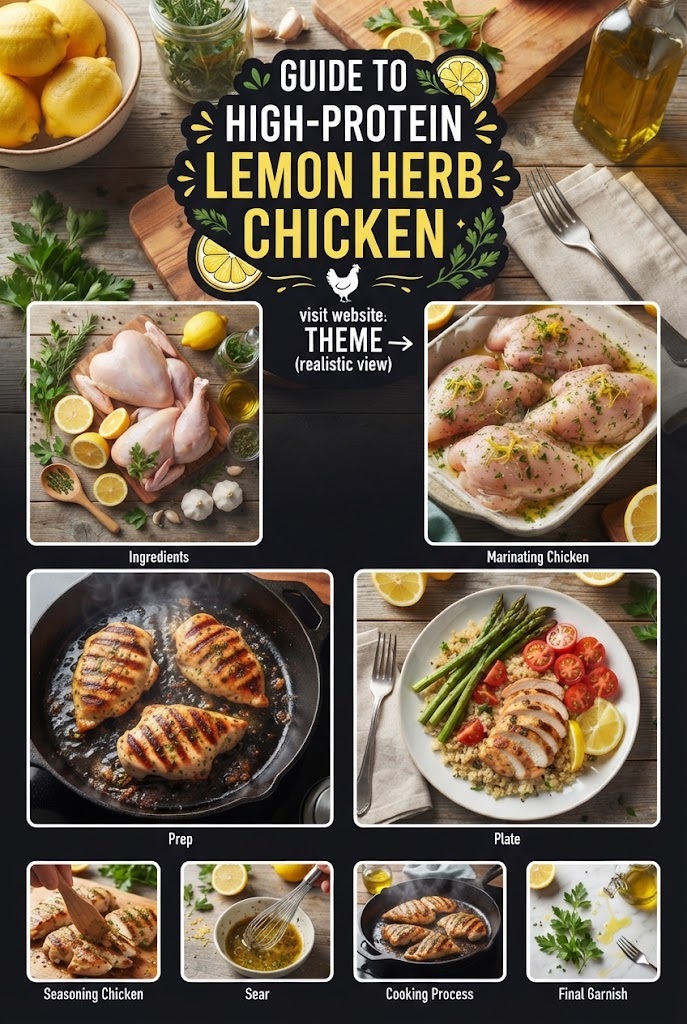
High-protein diets have long been the gold standard for fitness enthusiasts, busy professionals, and anyone looking to maintain a healthy weight while supporting muscle recovery. However, the biggest challenge most people face isn’t finding protein—it’s making it taste good day after day. Enter the classic, timeless combination of lemon and herbs.
This flavor profile is a culinary powerhouse. The acidity of the lemon acts as a natural tenderizer for the meat, while fresh or dried herbs provide an aromatic depth that makes a simple chicken breast feel like a gourmet meal. In this comprehensive guide, we will explore five distinct recipes that leverage these simple ingredients to create high-protein masterpieces. Each recipe is designed with simplicity in mind, ensuring you spend less time in the kitchen and more time enjoying your food.
The Science of Flavor: Why Lemon and Herb Works
Before diving into the recipes, it is essential to understand why the lemon-herb combination is so effective for high-protein cooking.
- Acidic Tenderization: Chicken breast, being a lean protein, can easily become dry and rubbery. The citric acid in lemon juice breaks down the tough muscle fibers, allowing moisture to penetrate deeper into the meat.
- Flavor Enhancement without Sodium: Many high-protein meals rely heavily on salt for flavor, which can lead to bloating and high blood pressure. Lemon juice and zest provide a “bright” flavor that mimics the tongue’s reaction to salt, allowing you to reduce sodium intake without sacrificing taste.
- Aromatic Synergy: Herbs like rosemary, thyme, oregano, and parsley contain essential oils that are released during cooking. When paired with the volatile oils in lemon zest, they create a sensory experience that makes a meal more satisfying, which helps with portion control and satiety.
Recipe 1: The Classic One-Pan Lemon Herb Roasted Chicken & Root Vegetables
This recipe is the cornerstone of healthy meal prepping. It is balanced, nutrient-dense, and requires minimal cleanup.
Ingredient Details (Form Shape)
| Category | Ingredient | Quantity | Purpose |
|---|---|---|---|
| Protein | Boneless, Skinless Chicken Breasts | 1.5 lbs (approx. 3-4 large) | Lean protein source |
| Acid | Fresh Lemon (Juice and Zest) | 2 Large Lemons | Tenderizing and brightness |
| Fats | Extra Virgin Olive Oil | 3 Tablespoons | Healthy fats and crisping |
| Herbs | Fresh Rosemary & Thyme | 2 Sprigs each (minced) | Deep, earthy aroma |
| Alliums | Garlic Cloves | 4-6 Cloves (minced) | Pungent flavor base |
| Vegetables | Red Potatoes & Carrots | 2 cups (chopped) | Complex carbohydrates |
| Seasoning | Sea Salt & Black Pepper | To taste | Basic flavor enhancement |
Step-by-Step Instructions
Step 1: Prep the Chicken
Start by patting your chicken breasts dry with a paper towel. This is a crucial step; moisture on the surface of the chicken creates steam, which prevents the meat from browning properly. Once dry, slice the breasts into even-sized pieces if they are exceptionally thick to ensure even cooking.
Step 2: Create the Marinade
In a small bowl, whisk together the olive oil, lemon juice, lemon zest, minced garlic, rosemary, and thyme. Reserve two tablespoons of this mixture for the vegetables. Place the chicken in a large bowl or a zip-top bag and pour the remaining marinade over it. Let it sit for at least 20 minutes (or up to 4 hours in the fridge).
Step 3: Prepare the Vegetables
Preheat your oven to 400°F (200°C). Toss your chopped potatoes and carrots with the reserved marinade. Spread them in a single layer on a large baking sheet.
Step 4: The Roasting Process
Nestle the marinated chicken pieces among the vegetables on the baking sheet. Ensure nothing is overcrowded. Roast for 25–30 minutes.
Step 5: Finishing Touches
Switch the oven to “Broil” for the last 2-3 minutes to get a golden-brown crust on the chicken and a slight char on the vegetables. Remove from the oven and let the meat rest for 5 minutes before serving to allow the juices to redistribute.
Recipe 2: Lemon Garlic Herb Grilled Chicken Skewers
Ideal for summer grilling or a stovetop grill pan, these skewers maximize surface area for flavor absorption and provide a fun, high-protein snack or meal.
Ingredient Details (Form Shape)
| Category | Ingredient | Quantity | Purpose |
|---|---|---|---|
| Protein | Chicken Thighs (Fat trimmed) | 2 lbs (cut into cubes) | Juicy, high-protein base |
| Acid | Lemon Juice | 1/4 Cup | Zesty marinade |
| Herbs | Dried Oregano & Dried Parsley | 1 Tablespoon each | Mediterranean profile |
| Spice | Red Pepper Flakes | 1 Teaspoon (optional) | A hint of heat |
| Base | Plain Greek Yogurt | 1/2 Cup | Enzyme tenderizer & moisture |
| Alliums | Garlic Powder | 1 Tablespoon | Even flavor distribution |
| Hardware | Wooden or Metal Skewers | 10-12 pieces | Cooking vessel |
Step-by-Step Instructions
Step 1: The Yogurt Marinade Secret
In a large mixing bowl, combine the Greek yogurt, lemon juice, oregano, parsley, garlic powder, and red pepper flakes. The lactic acid in the yogurt works alongside the citric acid from the lemon to make the chicken incredibly tender.
Step 2: Marinate the Cubes
Add the cubed chicken thighs to the yogurt mixture. Ensure every piece is thoroughly coated. For the best results, marinate for 2 hours. This allows the yogurt to form a protective barrier that keeps the chicken moist over the high heat of a grill.
Step 3: Skewer the Chicken
If using wooden skewers, soak them in water for 30 minutes beforehand to prevent burning. Thread 4-5 pieces of chicken onto each skewer. Leave a tiny bit of space between the pieces so the heat can circulate.
Step 4: Grilling
Heat your grill to medium-high. Lightly oil the grates. Place the skewers on the grill and cook for about 5-6 minutes per side. You are looking for an internal temperature of 165°F (74°C).
Step 5: The Lemon Spritz
Just before removing from the heat, squeeze fresh lemon juice over the hot skewers. The juice will sizzle and create a bright, fresh glaze. Serve with a side of tzatziki for extra protein.
Recipe 3: Creamy Lemon Herb Skillet Chicken (Dairy-Free Option)
This recipe feels indulgent but remains high in protein and low in unhealthy fats. It uses a “velveting” technique to keep the chicken breast silky.
Ingredient Details (Form Shape)
| Category | Ingredient | Quantity | Purpose |
|---|---|---|---|
| Protein | Thin-Sliced Chicken Breasts | 1 lb | Fast-cooking protein |
| Liquid | Low-Sodium Chicken Bone Broth | 1 Cup | Rich base and extra protein |
| Cream | Light Coconut Milk or Half & Half | 1/2 Cup | Creamy texture |
| Acid | Lemon Slices & Juice | 1 Lemon | Infused flavor |
| Herbs | Fresh Tarragon or Basil | 2 Tablespoons (chopped) | Sophisticated herb notes |
| Thickener | Arrowroot Powder or Cornstarch | 1 Teaspoon | Sauce consistency |
| Alliums | Shallots | 1 Large (finely diced) | Subtle onion flavor |
Step-by-Step Instructions
Step 1: Sear the Chicken
Season the thin-sliced chicken breasts with salt and pepper. Heat a large skillet over medium-high heat with a teaspoon of olive oil. Sear the chicken for 3 minutes per side until golden. Remove the chicken from the pan and set it aside (it doesn’t need to be fully cooked yet).
Step 2: Sauté the Aromatics
In the same skillet, add the diced shallots. Sauté for 2 minutes until translucent. Add the minced garlic (if desired) and cook for another 30 seconds until fragrant.
Step 3: Deglaze and Simmer
Pour the chicken bone broth into the pan, scraping the bottom to release the browned bits (the fond), which contain immense flavor. Stir in the coconut milk (or cream) and the lemon juice.
Step 4: Thicken the Sauce
Create a “slurry” by mixing the arrowroot powder with a tablespoon of water. Whisk this into the simmering sauce. It will begin to thicken slightly, creating a silky texture.
Step 5: The Final Merge
Place the chicken breasts and any accumulated juices back into the skillet. Lay fresh lemon slices on top of the chicken. Cover and simmer for 5-7 minutes.
Step 6: Garnish
Right before serving, stir in the fresh tarragon or basil. The residual heat will release the herb’s oils without dulling their vibrant color.
Recipe 4: Air-Fried Lemon Herb Tenders (The Healthy “Fried” Chicken)
For those who crave crunch but want to stick to their protein goals, the air fryer is a game-changer. This recipe uses a high-protein coating instead of traditional breadcrumbs.
Ingredient Details (Form Shape)
| Category | Ingredient | Quantity | Purpose |
|---|---|---|---|
| Protein | Chicken Tenderloins | 1.5 lbs | Lean, tender protein |
| Coating | Almond Flour or Grated Parmesan | 1 Cup | High-protein, low-carb crunch |
| Binder | Egg Whites | 2 Large | Sticky surface for coating |
| Acid | Lemon Zest | 2 Tablespoons | Concentrated lemon flavor |
| Herbs | Dried Italian Seasoning | 1 Tablespoon | Complex herb blend |
| Spices | Onion Powder & Smoked Paprika | 1 Teaspoon each | Color and depth |
Step-by-Step Instructions
Step 1: Prepare the “Breading” Station
In one shallow bowl, whisk the egg whites until frothy. In a second shallow bowl, combine the almond flour (or Parmesan), lemon zest, Italian seasoning, onion powder, and smoked paprika.
Step 2: Coat the Tenders
Dip each chicken tenderloin into the egg whites, allowing the excess to drip off. Then, press the tender into the almond flour mixture, ensuring it is fully coated on all sides.
Step 3: Air Fryer Setup
Preheat your air fryer to 375°F (190°C). Lightly spray the air fryer basket with a non-stick cooking spray (preferably olive oil or avocado oil).
Step 4: Cooking
Place the tenders in the basket in a single layer. Do not stack them, as this will result in soggy spots. Cook for 10-12 minutes, flipping halfway through. The internal temperature should reach 165°F.
Step 5: Serving
Serve these tenders with a side of lemon-infused Greek yogurt dip. It’s a high-protein alternative to honey mustard or ranch.
Recipe 5: Slow Cooker Lemon Herb “Pulled” Chicken
Perfect for those who want to “set it and forget it,” this recipe results in tender, shredded chicken that can be used in salads, wraps, or bowls throughout the week.
Ingredient Details (Form Shape)
| Category | Ingredient | Quantity | Purpose |
|---|---|---|---|
| Protein | Whole Chicken or 4 Large Breasts | 2-3 lbs | Bulk protein |
| Liquid | White Wine (Dry) or Broth | 1/2 Cup | Flavorful steaming liquid |
| Acid | 3 Whole Lemons | Sliced into rounds | Consistent acid infusion |
| Herbs | Fresh Bay Leaves & Dried Thyme | 3 leaves / 1 tbsp | Classic slow-roast flavors |
| Alliums | Whole Garlic Bulbs | 2 bulbs (top cut off) | Sweet, roasted garlic finish |
| Seasoning | Cracked Black Pepper | 2 Teaspoons | Bold spice |
Step-by-Step Instructions
Step 1: The Layering Technique
Place half of the lemon slices and the garlic bulbs (cut side down) at the bottom of the slow cooker. This creates a “rack” for the chicken to sit on, preventing it from boiling in its own juices and allowing air to circulate.
Step 2: Season the Meat
Rub the chicken with dried thyme, salt, and plenty of cracked black pepper. If using a whole chicken, ensure you season the cavity as well.
Step 3: Add the Chicken
Place the chicken on top of the lemon/garlic layer. Top with the remaining lemon slices and the bay leaves. Pour the white wine or broth around the sides—not over the chicken, so you don’t wash off the seasoning.
Step 4: Slow Cooking
Cover and cook on LOW for 6-8 hours or on HIGH for 3-4 hours. The low and slow method is preferred for chicken to ensure it doesn’t become “stringy.”
Step 5: Shred and Infuse
Once cooked, remove the chicken. If it’s a whole chicken, discard the skin and bones. Shred the meat using two forks. Squeeze the roasted garlic out of their skins and mash them into the cooking juices remaining in the pot. Toss the shredded chicken back into the pot to soak up that liquid gold for 10 minutes before serving.
Mastering the Art of Chicken: Tips for Success
To truly excel at high-protein cooking, you need to master more than just the recipe. Here are professional tips to ensure your Lemon Herb Chicken is perfect every time.
1. Temperature Control is Key
The biggest enemy of high-protein chicken is overcooking. A digital meat thermometer is your best friend.
- Chicken Breast: Pull it off the heat at 160°F (71°C). Residual heat will bring it to the safe 165°F during the resting phase.
- Chicken Thighs: These are more forgiving and actually taste better when cooked to 170°F-175°F (77°C-79°C), as this allows the connective tissue to fully break down.
2. The Power of Zest vs. Juice
While lemon juice provides the acidity, the zest provides the “essential oil” flavor. Always zest your lemons before juicing them. The zest contains the limonene oils which are heat-stable, meaning the lemon flavor won’t disappear during the roasting or grilling process.
3. Fresh vs. Dried Herbs
- Fresh Herbs: Best for garnishing or quick-cooking methods (like the Skillet Chicken).
- Dried Herbs: Better for long cooking times (like the Slow Cooker or Roasting) because they take longer to release their flavors and won’t burn as easily.
- The Ratio: If a recipe calls for fresh herbs and you only have dried, use one-third of the amount (e.g., 1 tablespoon fresh = 1 teaspoon dried).
4. Salt Timing
For the juiciest chicken, salt your meat at least 30 minutes before cooking. This acts as a “dry brine.” The salt draws out moisture, dissolves into a brine, and is then reabsorbed into the meat, seasoning it deeply and changing the protein structure to retain more water during cooking.
Nutritional Benefits of the Ingredients
This isn’t just about taste; it’s about fuel. Let’s look at the nutritional breakdown of our key players.
Chicken (The Protein King)
Chicken is a complete protein, meaning it contains all nine essential amino acids. It is particularly high in Leucine, which is the primary driver of muscle protein synthesis. By choosing lean cuts like breast or trimmed thighs, you maximize the protein-to-calorie ratio, making it easier to stay in a caloric deficit or maintenance while building muscle.
Lemon (The Metabolic Spark)
Lemons are packed with Vitamin C, which is essential for collagen production (great for joints and skin). Furthermore, the d-limonene in lemon peel has been shown to support liver detoxification and improve digestion, which is crucial when consuming a high-protein diet that can sometimes be taxing on the digestive system.
Garlic and Herbs (The Antioxidant Boost)
- Garlic: Contains Allicin, which has potent anti-inflammatory and heart-health benefits.
- Rosemary: Contains rosmarinic acid, which has been studied for its ability to improve circulation and cognitive function.
- Thyme: High in Vitamin K, essential for bone health.
Meal Prepping Your Lemon Herb Chicken
One of the greatest advantages of these recipes is their versatility for meal prepping. Here is how to stretch one cooking session into a week of meals:
- The Base: Use the Slow Cooker Lemon Herb Chicken as your base.
- Day 1 (Bowl): Serve over quinoa with steamed broccoli and a squeeze of fresh lemon.
- Day 2 (Salad): Cold shredded chicken over arugula, cherry tomatoes, and cucumber with a lemon-tahini dressing.
- Day 3 (Wrap): Use a high-protein tortilla, add the chicken, some Greek yogurt, and pickled red onions.
- Day 4 (Pasta): Toss the chicken with whole-wheat or chickpea pasta, olive oil, and extra red pepper flakes.
Storage Tips
- Refrigeration: Store cooked chicken in airtight containers for up to 4 days.
- Freezing: Lemon herb chicken freezes exceptionally well. Store in freezer bags with the air squeezed out for up to 3 months. To reheat, thaw overnight in the fridge and warm gently in a pan with a splash of broth to prevent drying out.
Frequently Asked Questions
Can I use frozen chicken?
Yes, but for the best texture, always thaw it completely in the refrigerator before marinating. Cooking frozen chicken directly often leads to a rubbery exterior and an undercooked interior.
What if I don’t have fresh lemons?
Bottled lemon juice works in a pinch for acidity, but you will miss the aromatic punch of the zest. If you must use bottled, add a little extra dried herbs to compensate for the lack of fresh citrus oil.
Is chicken skin okay to eat on a high-protein diet?
If you are tracking macros closely, the skin adds significant fat and calories. However, cooking with the skin on helps keep the meat moist. A good compromise is to cook with the skin on and remove it before eating.
How do I prevent the garlic from burning in the skillet?
Garlic burns very quickly and becomes bitter. Always add it during the last 30-60 seconds of sautéing, or ensure there is enough liquid (like lemon juice or broth) in the pan to keep the temperature of the garlic down.
Conclusion
High-protein eating does not have to be a chore. By focusing on simple, high-quality ingredients like fresh lemons, aromatic herbs, and lean chicken, you can create a variety of meals that are as nourishing as they are delicious. Whether you prefer the crunch of the air fryer, the ease of the slow cooker, or the classic sear of a skillet, the lemon-herb profile is your ticket to a sustainable and enjoyable healthy lifestyle.
Experiment with the herb ratios, try different varieties of lemon (like Meyer lemons for a sweeter touch), and most importantly, enjoy the process of fueling your body with real, whole foods. With these five recipes in your arsenal, you are well on your way to mastering the art of high-protein cooking.