
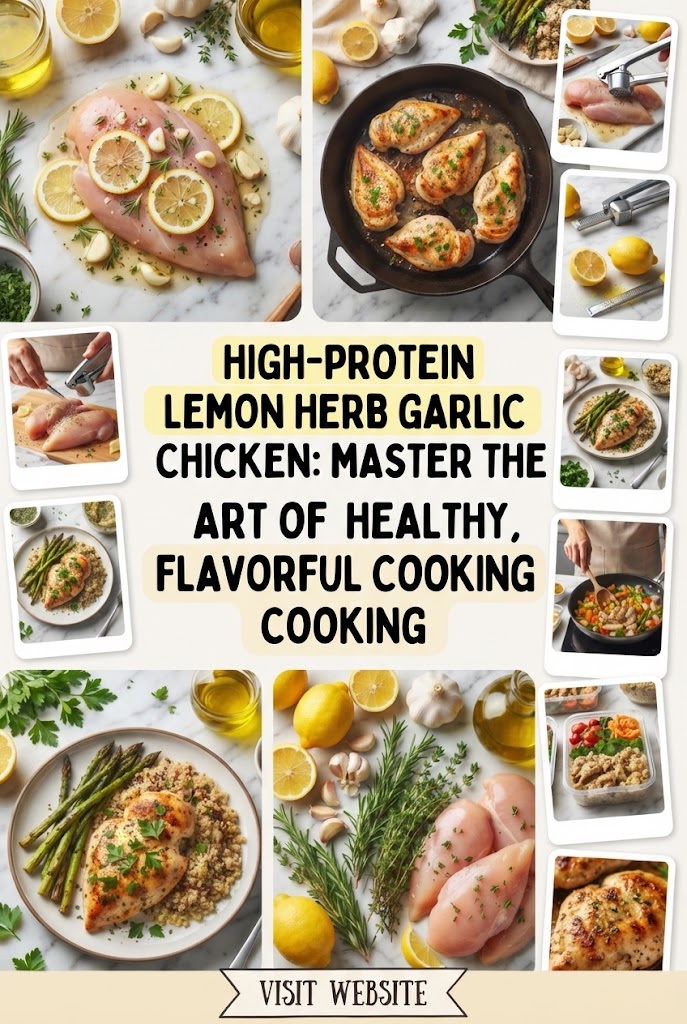
In the world of fitness and healthy living, protein is the undisputed king of macronutrients. It builds muscle, repairs tissue, and keeps us satiated long after we’ve left the dinner table. However, the biggest challenge most people face when following a high-protein diet is the monotony of “gym food.” Dry, bland chicken breasts have become a cliché of the fitness world, but they don’t have to be.
By harnessing the bright acidity of lemon, the pungent depth of garlic, and the earthy complexity of fresh herbs, you can transform the humble chicken breast into a culinary masterpiece. This guide provides a deep dive into the science, technique, and recipes required to master High-Protein Lemon Herb Garlic Chicken. We will explore multiple cooking methods—from pan-searing to roasting—ensuring you never have a boring meal again.
The Nutritional Powerhouse: Why Chicken, Lemon, and Garlic?
Before we dive into the recipes, it is essential to understand why this specific combination is a gold standard for health-conscious individuals.
1. The Protein Content
Chicken breast is one of the leanest sources of high-quality protein available. A standard 6-ounce serving provides approximately 52 grams of protein with minimal fat and zero carbohydrates. This makes it the perfect canvas for flavor.
2. The Benefits of Garlic
Garlic is more than just a flavor enhancer. It contains allicin, a compound known for its anti-inflammatory and antioxidant properties. It supports heart health and can even give your immune system a boost.
3. The Role of Lemon
Lemon acts as both a flavor agent and a functional ingredient. The citric acid helps break down the tough fibers in chicken, acting as a natural tenderizer. Furthermore, the Vitamin C in lemon juice aids in the absorption of iron found in the meat.
4. The Magic of Herbs
Herbs like rosemary, thyme, and oregano are packed with polyphenols. They provide “free” flavor—meaning they add massive taste without adding calories, sodium, or sugar.
Essential Ingredient Details: The “Form Shape” Reference
To achieve the perfect balance of flavors, you must use the right proportions. Below is a structured breakdown of the core ingredients used throughout these recipes.
| Ingredient Category | Item | Quantity (Per 1lb Chicken) | Form / Preparation |
|---|---|---|---|
| Protein | Chicken Breast or Thighs | 1 lb (450g) | Boneless, skinless (trimmed) |
| Acid | Fresh Lemon Juice | 3 Tablespoons | Freshly squeezed |
| Zest | Lemon Zest | 1 Tablespoon | Finely grated (yellow part only) |
| Aromatic | Fresh Garlic | 4-6 Cloves | Minced or crushed |
| Fat | Extra Virgin Olive Oil | 2 Tablespoons | Cold-pressed for flavor |
| Herbs (Fresh) | Rosemary, Thyme, Parsley | 2 Tablespoons | Finely chopped |
| Herbs (Dried) | Oregano or Basil | 1 Teaspoon | Crushed in palm to release oils |
| Seasoning | Sea Salt | 1 Teaspoon | To taste |
| Heat | Black Pepper / Red Pepper | 1/2 Teaspoon | Freshly cracked |
Recipe 1: The Signature Pan-Seared Lemon Herb Garlic Chicken
This is the foundational recipe. It is designed for speed and maximum “Maillard reaction”—the chemical reaction that gives browned food its distinctive flavor.
Ingredient Details in Form Shape
- Chicken: 2 Large Breasts (Butterflied or pounded to even thickness)
- Marinade Base: 3 tbsp Olive Oil, 2 tbsp Lemon Juice
- Seasoning: 1 tsp Salt, 1 tsp Garlic Powder, 1 tsp Dried Oregano
- Fresh Finish: 4 cloves Minced Garlic, 1 tbsp Butter (optional), 2 sprigs Fresh Thyme, 1 tbsp Fresh Parsley
Step-by-Step Recipe Detail
Step 1: Preparation and Tenderizing
Start by ensuring your chicken breasts are of even thickness. This is the secret to juicy chicken. Place the chicken between two sheets of plastic wrap and use a meat mallet or a heavy skillet to pound the thicker end until the entire piece is about 3/4 inch thick.
Step 2: The Dry Rub
In a small bowl, mix your salt, garlic powder, and dried oregano. Pat the chicken completely dry with paper towels. This is crucial; moisture on the surface of the meat creates steam, which prevents browning. Rub the seasoning mix onto both sides of the chicken.
Step 3: The Initial Sear
Heat a large stainless steel or cast-iron skillet over medium-high heat. Add 1 tablespoon of olive oil. Once the oil is shimmering (but not smoking), place the chicken in the pan. Press down slightly to ensure contact. Let it cook undisturbed for 5–6 minutes. You are looking for a deep golden-brown crust.
Step 4: The Flip and Aromatics
Flip the chicken. Immediately reduce the heat to medium. Toss in the minced garlic, fresh thyme sprigs, and the optional tablespoon of butter. As the butter melts and the garlic begins to fragrance the air, tilt the pan and use a spoon to “baste” the chicken with the infused fat.
Step 5: The Lemon Deglaze
During the last 2 minutes of cooking, pour the fresh lemon juice directly into the pan. It will sizzle and pick up all the “fond” (the brown bits) from the bottom of the pan. This creates an instant pan sauce.
Step 6: Resting
Remove the chicken from the pan and place it on a cutting board. Pour the remaining pan juices over it and let it rest for at least 5 minutes. This allows the juices to redistribute, ensuring every bite is moist. Top with fresh parsley before serving.
Recipe 2: Sheet-Pan Lemon Garlic Herb Chicken with Roasted Vegetables
For those who want a high-protein meal with minimal cleanup, the sheet-pan method is unbeatable.
Ingredient Details in Form Shape
- Meat: 1.5 lbs Chicken Thighs (Boneless/Skinless)
- Vegetables: 1 bunch Asparagus, 1 cup Cherry Tomatoes, 1 Red Onion (sliced)
- Coating: 1/4 cup Olive Oil, juice of 1 Lemon, 6 Garlic cloves (halved)
- Herbs: 1 tbsp Rosemary (chopped), 1 tsp Smoked Paprika
Step-by-Step Recipe Detail
Step 1: Oven Preheating
Preheat your oven to 425°F (220°C). A high temperature is necessary to roast the vegetables quickly without overcooking the chicken.
Step 2: The Marinade Toss
In a large mixing bowl, combine the olive oil, lemon juice, halved garlic cloves, rosemary, and smoked paprika. Add the chicken thighs and the vegetables (asparagus, tomatoes, onion) to the bowl. Toss thoroughly until everything is glistening and well-coated.
Step 3: Arranging the Pan
Spread the mixture onto a large rimmed baking sheet. Ensure the chicken pieces are not touching each other; they need space for the hot air to circulate to get those crispy edges. Scatter the garlic cloves and lemon slices throughout the tray.
Step 4: Roasting
Place the tray in the center rack of the oven. Roast for 20–25 minutes. At the 15-minute mark, give the vegetables a quick toss, but leave the chicken in place.
Step 5: The Broil (Optional)
If you prefer a bit of char, turn the broiler on for the final 2 minutes. Watch closely to prevent burning. The chicken is done when the internal temperature reaches 165°F (74°C).
Step 6: Serving
Garnish with extra lemon zest and a sprinkle of sea salt. This meal provides a perfect balance of protein, healthy fats, and fiber.
Recipe 3: Slow-Cooker Lemon Garlic Herb Shredded Chicken
Ideal for meal prep, this version creates incredibly tender chicken that can be used in salads, wraps, or bowls throughout the week.
Ingredient Details in Form Shape
- Chicken: 2 lbs Chicken Breasts
- Liquid: 1/2 cup Chicken Bone Broth (for extra protein), 1/4 cup Lemon Juice
- Aromatics: 8 Garlic cloves (smashed), 1 sliced Lemon
- Herbs: 2 tsp Dried Italian Seasoning, 1 Bay Leaf
Step-by-Step Recipe Detail
Step 1: Layering the Flavors
Place the smashed garlic cloves and lemon slices at the bottom of the slow cooker. This creates a “rack” for the chicken and prevents it from sticking while infusing flavor from the bottom up.
Step 2: Seasoning the Meat
Season the chicken breasts generously with salt, pepper, and the dried Italian seasoning. Place them on top of the lemon/garlic layer.
Step 3: Adding the Liquid
Pour the bone broth and lemon juice around the sides of the chicken, not directly over it (so you don’t wash off the seasoning).
Step 4: Slow Cooking
Cover and cook on LOW for 4 hours or HIGH for 2.5 hours. Avoid overcooking, as chicken breast can become “chalky” if left too long in a slow cooker.
Step 5: The Shredding Process
Once the chicken is tender and pulls apart easily with a fork, remove it from the slow cooker and place it in a bowl. Use two forks to shred the meat.
Step 6: The Flavor Soak
Strain the liquid remaining in the slow cooker to remove the solids. Pour about 1/2 cup of that concentrated lemon-garlic broth back over the shredded chicken. This keeps the meat moist for days in the refrigerator.
Mastering the Flavor Profile: A Deep Dive into Herbs
To reach an expert level of cooking, you must understand the “why” behind the herbs you choose.
Rosemary: The Bold Protector
Rosemary is woody and pungent. It stands up well to high heat, making it perfect for roasting or grilling. It has a pine-like aroma that cuts through the richness of chicken fat. Use it sparingly, as it can be overpowering.
Thyme: The Subtle Bridge
Thyme is the ultimate “utility” herb. It has earthy, minty notes that bridge the gap between the sharpness of the lemon and the sweetness of roasted garlic. It is best used in pan-searing.
Parsley: The Bright Finisher
Fresh flat-leaf parsley should always be added at the end. Heat destroys its delicate volatile oils. It provides a “grassy” freshness that cleanses the palate and makes the other flavors pop.
Oregano: The Mediterranean Soul
Dried oregano is often better than fresh in high-protein cooking. It adds a savory, slightly bitter depth that pairs perfectly with the acidity of lemon. It is the backbone of Greek-style lemon chicken.
Pro-Tips for the Juiciest High-Protein Chicken
The biggest complaint with high-protein chicken recipes is dryness. Since chicken breast has almost no fat, there is a very narrow window between “safe to eat” and “overcooked.”
- Use a Meat Thermometer: This is the single most important tool in your kitchen. Pull your chicken off the heat when it hits 160°F (71°C). The “carry-over cooking” will bring it up to the safe 165°F (74°C) while it rests.
- The Brining Secret: If you have time, soak your chicken in a saltwater solution (1/4 cup salt to 4 cups water) for 30 minutes before cooking. This changes the protein structure, allowing the cells to hold more moisture.
- Don’t Crowd the Pan: If you put too many chicken breasts in one pan, the temperature drops, and the meat begins to boil in its own juices rather than searing. Cook in batches if necessary.
- Zest Before You Juice: It is much easier to grate the skin off a whole lemon than a squeezed one. The zest contains the essential oils and provide more “lemonyness” than the juice itself without the sourness.
Advanced Technique: The Garlic-Herb Compound Butter
While we are focusing on lean protein, a small amount of healthy fat can carry flavor molecules better than water-based liquids. A garlic-herb compound butter can be used for “finishing” the chicken.
Ingredients
- 4 tbsp Grass-fed Butter (softened)
- 2 cloves Garlic (finely minced)
- 1 tbsp Fresh Parsley (minced)
- 1/2 tsp Lemon Zest
Instructions
Mix all ingredients in a small bowl until smooth. Roll into a log using parchment paper and refrigerate. When your chicken is finished cooking and is resting, place a thin slice of this butter on top. As it melts, it creates a luxurious, glossy sauce that rivals any restaurant dish.
Meal Prep Strategies for the Busy Athlete
High-protein diets succeed when the food is ready when you are. The Lemon Herb Garlic profile is excellent for meal prep because it tastes just as good cold as it does hot.
Storage
Store your cooked chicken in airtight glass containers. It will stay fresh for 3 to 4 days. If you are prepping for a full week, freeze half the batch immediately after cooling.
Reheating without Drying Out
When reheating in a microwave, add a teaspoon of water or chicken broth to the container and cover it loosely. This creates a steam chamber that prevents the chicken from turning into rubber. Alternatively, slice the chicken cold and toss it into a hot pan for 60 seconds just to take the chill off.
Side Dish Pairings for a Complete Macro Profile
To make this a balanced meal, you need to pair your high-protein chicken with appropriate micronutrients and fiber.
- For Low Carb/Keto: Serve with roasted broccoli rabe or “zoodles” (zucchini noodles) tossed in the pan juices.
- For Muscle Building (High Carb): Pair with quinoa cooked in chicken broth or roasted fingerling potatoes with rosemary.
- The “Clean” Classic: Steamed asparagus and brown rice. The lemon juice from the chicken acts as a natural dressing for the rice.
The Role of Garlic in Gastronomy
Garlic is the unsung hero of this recipe. When cooking with garlic and lemon, you must be careful. Garlic burns at a much lower temperature than chicken. This is why many of our recipes suggest adding the garlic later in the cooking process or using smashed cloves for roasting.
- Minced Garlic: Provides the strongest flavor but burns quickly.
- Sliced Garlic: Offers a milder, nutty flavor and is beautiful to look at.
- Smashed Whole Cloves: Provide a subtle infusion of flavor without the risk of bitterness.
In the Pan-Seared recipe, we use the “Arrosé” technique—basting the meat with garlic-infused fat. This allows the flavor to penetrate the crust of the chicken without the garlic bits ever becoming scorched.
Frequently Asked Questions
Can I use frozen chicken?
Yes, but ensure it is completely thawed and patted dry. Frozen chicken often contains a “plumping” solution (saltwater). If you don’t dry it, the chicken will release too much water in the pan, preventing a sear.
What if I don’t have fresh herbs?
The ratio for dried to fresh herbs is 1:3. If a recipe calls for 1 tablespoon of fresh rosemary, use 1 teaspoon of dried. Remember to rub dried herbs between your palms to “wake up” the oils before adding them to the dish.
Is this recipe suitable for weight loss?
Absolutely. By using lemon and herbs for flavor instead of heavy creams or sugary BBQ sauces, you keep the calorie count low while keeping the “satisfaction” factor high. This helps prevent the cravings that often derail diets.
Conclusion: Elevating Your Culinary Game
Mastering High-Protein Chicken with Lemon, Herb, and Garlic flavor is more than just learning a recipe; it’s about learning the fundamentals of balance. You have the Protein for muscle, the Acid (lemon) to brighten and tenderize, the Aromatics (garlic) for depth, and the Herbs for complexity.
Whether you are a bodybuilder looking for a way to make chicken breast palatable, a busy parent trying to get a healthy dinner on the table in 20 minutes, or a gourmet enthusiast exploring the nuances of Mediterranean flavors, these techniques will serve you well.
The beauty of this flavor profile lies in its versatility. Once you master the pan-sear and the sheet-pan roast, you can experiment. Swap the rosemary for cilantro and lime for a Mexican twist, or use ginger and lemongrass for an Asian-inspired high-protein meal. But for many, the classic combination of lemon, garlic, and herbs will always remain the gold standard.
Put on your apron, heat up your skillet, and prepare to enjoy the best chicken you’ve ever made. Your muscles—and your taste buds—will thank you.