
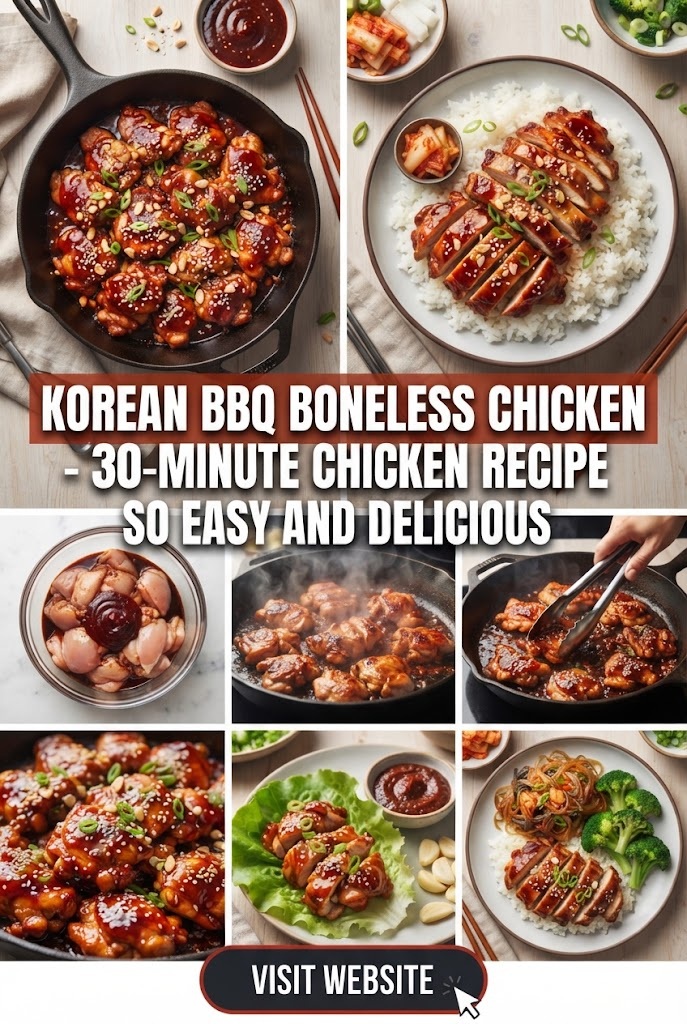
Imagine the sizzle of a hot pan, the intoxicating aroma of toasted sesame oil hitting garlic, and the vibrant, ruby-red glisten of a spicy-sweet glaze coating tender morsels of chicken. This isn’t just a meal; it’s an experience. Korean BBQ (K-BBQ) has taken the global culinary stage by storm, but you don’t need a fancy table-top grill or hours of prep time to enjoy these bold flavors at home.
In this comprehensive guide, we are breaking down the secrets to the perfect 30-Minute Korean BBQ Boneless Chicken. Whether you are a busy professional looking for a quick weeknight dinner or a food enthusiast eager to explore the depths of Umami, this recipe is your golden ticket to flavor town.
Why This 30-Minute Recipe is a Game Changer
Traditional Korean BBQ often involves long marination times and complex charcoal setups. However, the modern home cook needs efficiency without sacrificing soul. This recipe focuses on boneless chicken thighs for maximum juiciness and a high-impact sauce that develops deep flavor in minutes rather than hours.
- Speed: From fridge to table in 30 minutes.
- Accessibility: Most ingredients are available at your local grocery store.
- Versatility: Perfect for rice bowls, tacos, salads, or meal prep.
- Kid-Friendly Options: Easy adjustments to dial down the heat.
The Anatomy of the Perfect Korean BBQ Sauce
The heart of any Korean BBQ dish lies in the balance of the “Big Five” flavor profiles: Salty, Sweet, Spicy, Nutty, and Umami. To master this recipe, you must understand the role of each key ingredient.
1. Gochujang (The Soul of the Dish)
Gochujang is a savory, sweet, and spicy fermented condiment made from chili powder, glutinous rice, fermented soybeans, and salt. It provides a thick texture and a complex funk that cannot be replicated by Sriracha or standard chili flakes.
2. Soy Sauce (The Salty Backbone)
Soy sauce provides the essential salt and a hit of protein-rich umami. For this recipe, a standard light soy sauce or an all-purpose Kikkoman works best.
3. Toasted Sesame Oil (The Nutty Aroma)
In Korean cooking, sesame oil is often used as a finishing oil. Its low smoke point means it’s best added toward the end or used in small amounts to provide that signature “toasty” scent.
4. Aromatics: Garlic and Ginger
Never skimp on these. Freshly grated ginger cuts through the richness of the chicken, while minced garlic creates a pungent base that defines Korean savory dishes.
5. The Sweetener (Brown Sugar or Honey)
To achieve that iconic sticky glaze, you need sugar. Brown sugar adds a hint of molasses, while honey adds a floral sweetness and a beautiful shine to the chicken.
Ingredients List
To make enough for 4 hungry adults, gather the following:
The Chicken
- 1.5 lbs (700g) Boneless Skinless Chicken Thighs: Thighs are superior to breasts here because they remain juicy under high heat.
- 2 tbsp Cornstarch: This is the secret to a “velvety” texture and helps the sauce cling to the meat.
- 1 tbsp Neutral Oil: Grapeseed, canola, or vegetable oil for searing.
The Signature K-BBQ Sauce
- 3 tbsp Gochujang: Adjust based on your spice tolerance.
- 2 tbsp Soy Sauce: Use low-sodium if you are salt-sensitive.
- 2 tbsp Brown Sugar or Honey: For that perfect caramelization.
- 1 tbsp Toasted Sesame Oil: For the aromatic finish.
- 1 tbsp Rice Vinegar: To provide a necessary acidic lift.
- 4 cloves Garlic: Finely minced.
- 1 tsp Fresh Ginger: Grated into a paste.
- 1/4 tsp Black Pepper: Freshly cracked.
Garnish (Don’t skip these!)
- Toasted Sesame Seeds: For crunch.
- Green Onions (Scallions): Thinly sliced on the bias.
- Fresh Red Chilies: Optional, for those who want an extra kick.
Step-by-Step Instructions: The 30-Minute Workflow
Follow this timeline to ensure you hit the 30-minute mark with perfection.
Minute 0–5: Preparation and Chopping
Start by patting your chicken thighs dry with a paper towel. This is crucial—moisture is the enemy of a good sear. Cut the chicken into bite-sized 1-inch pieces. Place them in a bowl, toss with a pinch of salt, pepper, and the 2 tablespoons of cornstarch. The cornstarch creates a thin barrier that protects the meat and thickens the sauce later.
Minute 5–10: Whisking the Sauce
In a small bowl, combine the Gochujang, soy sauce, sugar/honey, rice vinegar, sesame oil, garlic, and ginger. Whisk until the sugar is dissolved and the paste is smooth. Taste it—it should be a punchy explosion of flavor.
Minute 10–20: The Sear
Heat a large skillet or wok over medium-high heat. Add the neutral oil. Once the oil is shimmering (but not smoking), add the chicken in a single layer. Do not overcrowd the pan; work in batches if necessary.
- The Goal: Let the chicken sit undisturbed for 3–4 minutes to develop a golden-brown crust.
- The Flip: Turn the pieces over and cook for another 3 minutes until almost cooked through.
Minute 20–25: The Glaze
Lower the heat to medium. Pour the prepared sauce over the chicken. The sauce will immediately begin to bubble and thicken thanks to the cornstarch on the chicken. Toss the chicken continuously for 2–3 minutes, ensuring every piece is coated in the thick, ruby-red glaze. The sauce should become “tacky” and stick to the meat rather than pooling at the bottom of the pan.
Minute 25–30: Finishing Touches
Remove the pan from the heat. The residual heat will continue to thicken the sauce. Sprinkle generously with toasted sesame seeds and sliced green onions. Serve immediately while the glaze is glossy.
Pro Tips for the Best Result
1. Use Chicken Thighs, Not Breasts
While you can use chicken breasts, they dry out quickly. Chicken thighs contain more fat and connective tissue, which breaks down during the high-heat sear, resulting in a “melt-in-your-mouth” texture that mimics the high-end cuts used in traditional Korean BBQ restaurants.
2. The “Velveting” Technique
The cornstarch coating is a technique borrowed from Chinese stir-fry (velveting). It creates a slippery, tender texture on the outside of the meat that helps it hold onto the sauce. It also prevents the chicken from becoming “rubbery.”
3. Don’t Burn the Garlic
If you add garlic too early in a high-heat sear, it will turn bitter and black. By incorporating the garlic directly into the sauce liquid, you ensure it cooks through and infuses the oil without burning.
4. Controlling the Heat
If the sauce is thickening too fast or looking too dark, add 1-2 tablespoons of water or chicken broth to thin it out. This allows the chicken more time to cook through without the sugar in the sauce burning.
What to Serve with Korean BBQ Chicken
To make this a complete meal, you need the right accompaniments. In Korea, BBQ is rarely eaten alone—it’s part of a communal spread.
The Base
- Steamed Jasmine or Short-Grain Rice: The neutral flavor of rice is the perfect canvas for the bold sauce.
- Quinoa or Brown Rice: For a healthier, high-fiber alternative.
- Cauliflower Rice: To keep the meal low-carb/Keto-friendly.
The “Banchan” (Side Dishes)
- Kimchi: The sour, fermented crunch of cabbage kimchi provides a probiotic boost and cuts through the sweetness of the chicken.
- Pickled Daikon Radish (Danmuji): The bright yellow, sweet-and-sour radish is a classic pairing for spicy Korean meats.
- Smashed Cucumber Salad: Tossed with rice vinegar, sesame oil, and a pinch of sugar.
- Steamed Broccoli or Bok Choy: To add some green to your plate.
The “Ssam” Style (Lettuce Wraps)
If you want a lighter meal, serve the chicken with large leaves of Butter Lettuce or Perilla leaves. Place a piece of chicken, a dollop of rice, and a slice of garlic inside the leaf, wrap it up, and eat it in one bite. This is the traditional “Ssam” style of eating BBQ.
Dietary Variations and Substitutions
We believe everyone should enjoy the magic of K-BBQ. Here is how to adapt this recipe for different needs:
- Gluten-Free: Use Tamari or liquid aminos instead of soy sauce. Ensure your Gochujang brand is certified gluten-free (some contain wheat or barley).
- Vegetarian/Vegan: Replace the chicken with extra-firm tofu (pressed and cubed) or cauliflower florets. Follow the same cornstarch coating and searing method.
- Extra Spicy: Add 1 tablespoon of Gochugaru (Korean red chili flakes) to the sauce or a finely diced Thai bird’s eye chili.
- Low Sugar: Substitute brown sugar with monk fruit sweetener or stevia. Be aware that the “glaze” may not become as sticky without real sugar.
The Cultural Significance of Korean BBQ
To truly appreciate this 30-minute recipe, it helps to understand where it comes from. Korean BBQ, or Gogi-gu-i (meat roast), dates back centuries. Historically, meat was a luxury in Korea, often reserved for royalty or special celebrations like Chuseok (harvest festival).
The flavors we love today—the mix of soy, sugar, and chili—evolved during the Joseon Dynasty. While traditional BBQ uses beef (Bulgogi or Galbi), chicken has become a staple of modern Korean street food and “Chimaek” (Chicken and Beer) culture. This 30-minute recipe captures the essence of Dakgalbi (spicy stir-fried chicken), a dish that originated in the 1960s in the city of Chuncheon as a cheap, filling meal for soldiers and students.
By making this at home, you are participating in a long lineage of culinary evolution that prioritizes bold, communal, and soul-warming food.
Troubleshooting Common Issues
“My chicken is too dry.”
You likely used chicken breast or cooked it too long over high heat. Switch to thighs and ensure you remove the chicken from the heat as soon as it reaches an internal temperature of 165°F (74°C).
“The sauce is too thin.”
Let it simmer for an extra 2 minutes. The cornstarch and sugar need heat to thicken. If it’s still too thin, mix 1 tsp of cornstarch with 1 tsp of water and stir it into the bubbling sauce.
“It’s way too spicy!”
Gochujang heat levels vary by brand. If your mouth is on fire, add a squeeze of lime juice or an extra teaspoon of honey. Fat also neutralizes capsaicin, so serving it with a side of creamy coleslaw or avocado can help.
“The sauce is burning before the chicken is done.”
This happens if the pan is too hot. Lower the heat to medium-low once the sauce is added. You want a gentle bubble, not a violent boil.
Meal Prep and Storage Instructions
This recipe is a meal-prepper’s dream. The flavors actually deepen as they sit.
- In the Fridge: Store leftovers in an airtight container for up to 4 days.
- In the Freezer: You can freeze the cooked chicken for up to 2 months. Thaw overnight in the fridge before reheating.
- Reheating: Avoid the microwave if possible, as it can make the chicken rubbery. Instead, toss the chicken in a hot skillet with a splash of water to loosen the sauce until heated through.
Pairing Drinks with Korean BBQ
To elevate your 30-minute dinner into a full dining experience, consider these drink pairings:
- Soju: The classic Korean clear spirit. Its neutral, slightly sweet profile cleanses the palate between spicy bites.
- Korean Lager: Brands like Hite or Cass are light and effervescent, perfect for cutting through the richness of the glaze.
- Sparkling Water with Lime: A refreshing non-alcoholic option that balances the heat.
- Barley Tea (Boricha): Served hot or cold, this nutty tea is a traditional accompaniment that aids digestion.
Cooking for a Crowd? How to Scale
If you are hosting a party and want to serve this Korean BBQ Boneless Chicken, here is how to scale it up:
- The Pan: Use a flat-top griddle or two large skillets. Crowding 3 lbs of chicken into one pan will cause the meat to steam rather than sear, resulting in a grey, mushy texture.
- The Prep: Cut the chicken and mix the sauce the night before. Store them separately.
- The Service: Keep the cooked chicken warm in a slow cooker on the “warm” setting. The sauce will stay tacky and delicious for hours.
Exploring Variations: Beyond the Basic Glaze
Once you’ve mastered the 30-minute base recipe, try these creative spins:
1. Honey-Garlic Soy (Non-Spicy)
If you have kids or can’t handle spice, omit the Gochujang. Increase the soy sauce to 3 tbsp and add 2 extra cloves of garlic and 2 tbsp of butter at the end. This creates a rich, savory “Honey-Butter” chicken that is incredibly popular in Seoul.
2. K-BBQ Chicken Tacos
Fusion at its best! Place the cooked chicken in warm corn tortillas. Top with a slaw made of shredded cabbage, lime juice, and cilantro. Add a drizzle of Kewpie mayo mixed with a teaspoon of Gochujang.
3. Korean BBQ Chicken Salad
For a low-calorie option, serve the warm chicken over a bed of mixed greens, edamame, shredded carrots, and sliced radishes. Use the residual sauce in the pan as a warm dressing, diluted with a little extra rice vinegar.
Why You Should Make This Tonight
The beauty of the Korean BBQ Boneless Chicken lies in its contradictions. It is sophisticated yet simple. It is intense yet balanced. It feels like a “project meal” but takes less time than ordering and waiting for food delivery.
In the world of home cooking, we often feel we have to choose between “fast” and “flavorful.” This recipe proves that with the right ingredients—like the fermented magic of Gochujang and the textural help of cornstarch—you can have both.
So, clear your schedule for 30 minutes, put on some music, and get that skillet hot. Your kitchen is about to become the best Korean BBQ spot in town.
Frequently Asked Questions
Can I use a slow cooker for this?
While you can, you will lose the “BBQ” element. The high-heat sear is what creates the caramelized crust. A slow cooker will result in “pulled” Korean chicken, which is tasty but a different texture entirely.
What is the best Gochujang brand?
Look for “Haechandle” or “CJ” brands in red tubs. They are widely considered the gold standard for consistent flavor and heat.
Can I make this in an Air Fryer?
Yes! Toss the cornstarch-coated chicken in a bit of oil and air fry at 400°F (200°C) for 12–15 minutes, shaking halfway. Once crispy, toss them in the sauce in a separate bowl.
Is this recipe healthy?
Compared to deep-fried Korean chicken, this pan-seared version is much lower in calories and saturated fats. By using chicken thighs and controling the sugar levels, it fits well into a balanced diet.
Where can I find Gochujang?
Most major supermarkets (like Walmart, Kroger, or Whole Foods) now carry it in the international aisle. If not, any H-Mart or local Asian grocery store will have multiple varieties.
Final Thoughts on Mastering Korean Flavors
Mastering Korean BBQ at home is a journey of the senses. This 30-minute recipe is just the beginning. As you become more comfortable with the ingredients, you’ll find yourself adding a splash of pear juice to the marinade for extra tenderness (a traditional trick) or experimenting with different levels of char.
Food is a universal language, and Korean BBQ is one of its most vibrant dialects. By bringing these flavors into your home, you aren’t just making dinner—you’re creating a moment of joy, heat, and satisfaction. Enjoy every bite!