
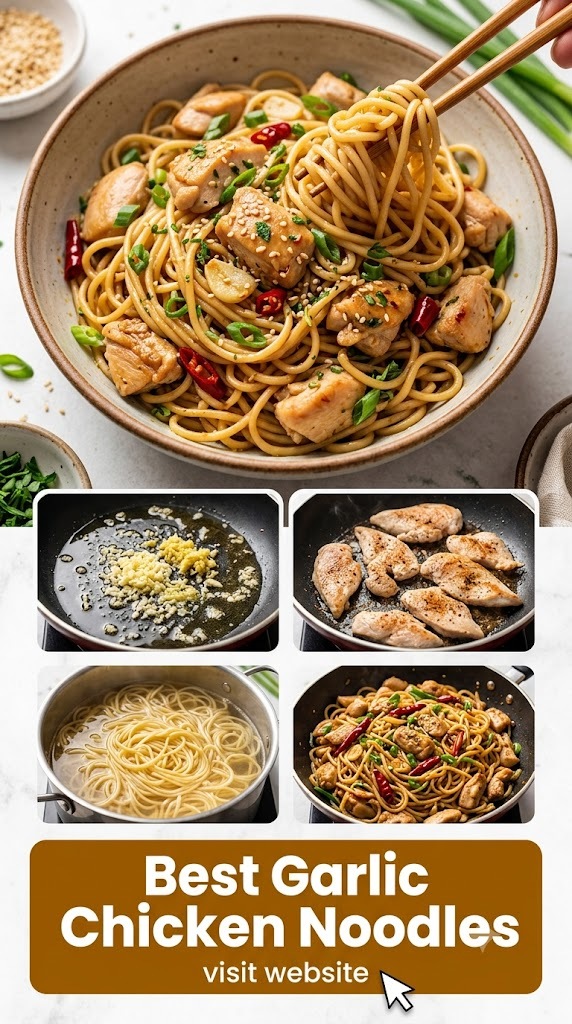
The Ultimate Guide to the Best Garlic Chicken Noodles
There is a universal language spoken in the sizzle of a hot wok and the pungent, sweet aroma of frying garlic. It is a language of comfort, of speed, and of undeniable satisfaction. Garlic chicken noodles are more than just a meal; they are a culinary hug, a weeknight savior, and a gourmet experience all rolled into one bowl of slippery, savory goodness.
Whether you are a seasoned home cook or someone who barely knows how to boil water, the quest for the “perfect” noodle dish is a noble one. We aren’t just looking for sustenance; we are looking for that specific balance of umami, sweetness, a hint of heat, and the overwhelming, glorious presence of garlic. This guide will take you through every nuance, from the science of the sauce to the technique of the stir-fry, ensuring that the next time you crave takeout, you’ll realize you can make it better, fresher, and more garlicky right in your own kitchen.
1. Noodle Selection
The foundation of any great noodle dish is, unsurprisingly, the noodle itself. But not all noodles are created equal. When making garlic chicken noodles, you want a vessel that can stand up to high heat without turning into mush and, more importantly, a surface area that clings to the sauce.
- Fresh Egg Noodles: Often found in the refrigerated section of Asian grocery stores, these are the gold standard. They have a bouncy, “al dente” texture (often referred to as “QQ” in Chinese culinary culture) that provides a satisfying chew.
- Lo Mein or Chow Mein: These are classic choices. Lo Mein noodles are slightly thicker and softer, perfect for soaking up heavy sauces, while Chow Mein noodles are thinner and hold their shape well during a vigorous stir-fry.
- Dried Wheat Noodles: If you can’t find fresh, dried wheat noodles are a fantastic pantry staple. Look for varieties labeled “Stir-fry noodles.” Avoid Italian pasta like spaghetti if possible; while it works in a pinch, it lacks the alkaline salts used in Asian noodle-making that give the noodles their characteristic yellow hue and springy texture.
- Udon: For a thicker, heartier experience, Udon noodles offer a wonderful contrast to the tender chicken. Their thick, doughy nature makes them an excellent vehicle for a thick garlic butter sauce.
The secret to preparing the noodles lies in the “undercook.” Always boil your noodles for about 1-2 minutes less than the package instructions. They will finish cooking in the wok, absorbing the sauce and chicken juices, which prevents them from becoming soggy.
2. Chicken Preparation
The chicken in a stir-fry should never be dry or bland. It should be “velveted”—a Chinese cooking technique that ensures the meat remains incredibly tender, moist, and silky, even when cooked over high heat.
To achieve this, slice your chicken (preferably thighs for more flavor, but breasts work too) into thin, bite-sized strips. Toss them in a mixture of:
- Cornstarch: This creates a thin protective barrier and helps the sauce adhere later.
- Soy Sauce: For internal seasoning.
- Shaoxing Wine (or dry sherry): To neutralize any “meaty” odors and add depth.
- A touch of oil: To keep the pieces from sticking together in the pan.
Let the chicken marinate for at least 15–30 minutes. When it hits the hot oil, the cornstarch will create a slightly golden, velvety crust that feels luxurious against the slippery noodles. This step is the difference between a “home-cooked” meal and a professional-grade dish.
3. Garlic Mastery
If the name of the dish is “Garlic Chicken Noodles,” then garlic is not a seasoning—it is a primary vegetable. We aren’t talking about one or two cloves; we are talking about an entire bulb.
The way you prep your garlic changes the flavor profile:
- Minced Garlic: Provides a consistent, intense garlic flavor throughout the dish.
- Sliced Garlic: Offers “chips” of garlic that mellow out and become sweet as they brown, providing a different texture.
- Grated Garlic: Releases the most oils and creates a very sharp, spicy garlic punch.
For the best results, use a combination. Mince most of it for the sauce, but thinly slice a few cloves to fry until golden at the start. This creates layers of garlic flavor. The key is timing. Garlic burns easily, turning bitter. Always add it to the pan when there is enough oil or liquid to prevent it from scorching, or toss it in just as you add the chicken.
4. The Sauce
The sauce is the soul of the dish. It bridges the gap between the starch of the noodles and the protein of the chicken. A perfect garlic noodle sauce needs a balance of four elements: salty, sweet, acidic, and umami.
- Umami: Use a combination of Light Soy Sauce (for salt) and Dark Soy Sauce (for that deep, caramel color and earthy flavor). Oyster sauce is the secret weapon here, providing a thick, savory richness.
- Sweetness: A teaspoon of brown sugar or honey balances the saltiness of the soy sauce and helps the sauce caramelize on the noodles.
- Acidity: A splash of rice vinegar or lime juice at the very end cuts through the richness of the oil and garlic.
- The “X-Factor”: Toasted sesame oil. Never cook with it; always add it at the end to preserve its delicate, nutty aroma.
Whisk these ingredients together in a bowl before you start cooking. Stir-frying happens fast, and you won’t have time to measure ingredients once the wok is smoking.
5. High Heat
To get that “Wok Hei” (breath of the wok), you need heat. If you cook on low heat, the chicken will steam and the noodles will get gummy. You want the ingredients to sear the moment they touch the metal.
- Get the pan smoking hot: Add a high-smoke-point oil (like peanut, canola, or grapeseed).
- Sear in batches: Don’t crowd the pan. If you put too much chicken in at once, the temperature will drop, and the meat will release juices and boil. Sear the chicken until golden, remove it, then do the vegetables.
- The Final Toss: Bring everything back together at the end. When the noodles hit the pan, let them sit for 30 seconds without moving them to get a slight char before adding the sauce. This creates a smokiness that is characteristic of the best street food.
6. Vegetable Harmony
While chicken and garlic are the stars, vegetables provide the necessary crunch and nutritional balance. The trick is to choose vegetables that cook at similar speeds or to add them in stages.
- Crunchy Elements: Carrots, bell peppers, and snap peas add a sweet snap.
- Leafy Elements: Bok choy, Yu Choy, or spinach wilt down and absorb the sauce beautifully.
- The “Aromatics”: Onions and the white parts of green onions should go in early to flavor the oil.
Remember to cut your vegetables into uniform shapes—usually thin strips to match the shape of the noodles. This ensures that you get a bit of everything in every forkful (or chopstick-ful).
7. Proper Equipment
While you can make this dish in a standard non-stick frying pan, investing in a carbon steel wok will change your life. Carbon steel conducts heat efficiently and develops a natural non-stick “seasoning” over time.
A long-handled spatula is also essential for moving the food quickly around the sloping sides of the wok. If you are using a flat-bottomed skillet, ensure it is heavy-bottomed (like cast iron or heavy stainless steel) to retain as much heat as possible. The goal is to keep the food moving; in the world of noodles, stasis is the enemy of texture.
8. Finishing Garnishes
The garnish is not just for decoration; it’s the final layer of flavor and texture.
- Green Onions: Use the green tops for a fresh, peppery bite.
- Sesame Seeds: Add a tiny bit of crunch and a nutty finish.
- Chili Oil/Flakes: For those who like a kick. A drizzle of Szechuan chili oil adds a beautiful red tint and a numbing heat.
- Fried Garlic or Shallots: For an extra “crunchy” garlic hit, store-bought or homemade fried garlic bits sprinkled on top provide a texture contrast to the soft noodles.
Adding these at the very last second preserves their color and ensures the “fresh” elements stay fresh.
9. Perfect Plating
We eat with our eyes first. To plate the perfect bowl of garlic chicken noodles:
- Twirl: Use long chopsticks or tongs to twirl a large portion of noodles into the center of the bowl, building height.
- Top: Pick out a few choice pieces of golden chicken and bright vegetables and place them prominently on top of the noodle mound.
- Drizzle: Pour any remaining sauce from the pan over the dish so it glitters under the kitchen lights.
- Wipe: Use a clean cloth to wipe any stray sauce drips from the rim of the bowl.
A well-plated dish feels like a reward, making the effort of cooking feel like a true culinary achievement.
10. Leftover Magic
One of the best things about garlic chicken noodles is that they often taste even better the next day. As the dish sits in the fridge, the noodles continue to absorb the nuances of the garlic and soy.
How to Reheat:
- Avoid the Microwave if possible: Microwaves can make noodles rubbery.
- The Skillet Method: Add a teaspoon of water or chicken broth to a pan, add the noodles, and cover with a lid for a minute to let the steam loosen them up. Then, toss over medium heat until hot.
- Storage: Keep them in an airtight container for up to 3 days. They don’t freeze well because the noodles lose their structural integrity, so consider this your excuse to eat them for lunch tomorrow!
The Recipe: Bringing It All Together
Now that we have covered the philosophy and the components, let’s look at how this comes together in the heat of the moment.
The Prep Phase
The biggest mistake people make with stir-fries is trying to prep while they cook. Stir-frying is a high-speed sport. Have your chicken marinated, your sauce whisked, your garlic minced, and your veggies chopped before the stove even turns on.
The Cooking Sequence
- The Oil: Heat 2 tablespoons of oil until it shimmers.
- The Chicken: Spread the chicken in a single layer. Let it sit for 60 seconds to get a crust, then toss until cooked through. Remove and set aside.
- The Aromatics: Add a little more oil if needed. Throw in the garlic and the white parts of the green onions. Stir for 30 seconds until fragrant but not brown.
- The Veggies: Add your vegetables. Stir-fry for 2 minutes until tender-crisp.
- The Noodles: Add the par-boiled noodles to the pan. Toss vigorously to mix with the aromatics.
- The Sauce: Pour the sauce over the noodles. The liquid will hit the hot pan and begin to bubble and thicken instantly.
- The Return: Add the chicken back in. Toss everything for another 1-2 minutes. The sauce should coat every strand of noodle, and the chicken should be glazed and glossy.
- The Finish: Turn off the heat. Stir in the sesame oil and half of the green onions.
Variations to Try
Once you master the base recipe, the world is your oyster sauce.
- Spicy Garlic Butter Noodles: Substitute half of the soy sauce for melted butter and add a tablespoon of Sriracha or Gochujang. This creates a fusion dish that is incredibly rich and addictive.
- Vegetarian Swap: Use thick slices of King Oyster mushrooms or extra-firm pressed tofu instead of chicken. Use a vegetarian “mushroom sauce” instead of oyster sauce to keep that deep umami flavor.
- Low Carb: Use spiralized zucchini (zoodles) or spaghetti squash. Be careful not to overcook them, as they release a lot of water. Cook them for only 1 minute at the very end.
Why This Recipe Works
The success of these noodles lies in the contrast. You have the soft, chewy noodles against the tender, velvety chicken. You have the sharp bite of fresh garlic against the mellow sweetness of the caramelized sauce. It hits every part of the palate.
Many people find Asian cooking intimidating because of the “speed” of the wok, but garlic chicken noodles are incredibly forgiving. Even if your heat isn’t high enough or your noodles are a bit overdone, the combination of garlic, soy, and chicken is a flavor profile that is nearly impossible to ruin.
Final Thoughts
Cooking the “best” version of any dish is about attention to detail. It’s about not settling for pre-minced garlic in a jar. It’s about taking the extra five minutes to velvet your chicken. It’s about choosing the right noodle for the job.
When you sit down with a bowl of these noodles, the first thing you’ll notice isn’t just the taste—it’s the satisfaction of having created something that rivals your favorite restaurant. The noodles are slippery, the chicken is juicy, and the garlic—oh, the garlic—is everywhere. It is a bold, unapologetic dish that demands to be enjoyed immediately, ideally with a cold drink and good company.
So, clear your counter, sharpen your knife, and get that wok smoking. The best garlic chicken noodles you’ll ever make are only a few sizzles away.